
by Pintler Insurance | Mar 13, 2025 | Safety Tips, Tips
If you’re a renter, you know the importance of having renters insurance to protect your personal belongings and provide liability coverage. But did you know bundling your renters insurance with other policies save you money and provide additional benefits? Here are the benefits of bundling renters insurance with other policies.
Lower premiums
Bundling your renters insurance with other policies, such as auto or life insurance, may lower your premiums. Insurance companies offer discounts for bundling policies, which may help you save money on your monthly premiums.
Simplified billing
When you bundle your policies, you’ll receive one bill for all your insurance coverage. This may make it easier to keep track of your insurance payments and ensure that you don’t miss any payments.
Streamlined claims process
If you need to file a claim, having all your insurance policies with one provider can streamline the claims process. You’ll only need to contact one insurance provider, and they’ll handle the claims process for all your policies.
Additional benefits
Bundling your renters insurance with other policies may also provide additional benefits. For example, some insurance companies offer discounts for having multiple policies or provide additional coverage for specific risks, such as identity theft or natural disasters.
Customizable coverage
When you bundle your policies, you can customize your coverage to fit your needs. For example, you can choose different coverage limits for your renters insurance and auto insurance to ensure that you have the right amount of coverage for each policy.
Bundling your renters insurance with other policies may save you money, simplify your billing, streamline the claims process, provide additional benefits, and allow you to customize your coverage. Talk to your insurance provider to see if bundling your policies is right for you and how much you can save on your insurance premiums.

by Pintler Insurance | Feb 12, 2025 | Safety Tips, Tips
A Great Resource to Get You Started
You never know when disaster may strike, leaving your personal possessions lost or damaged. Do you know the value of your coin collection or how many pairs of designer shoes you own? Creating a home inventory is essential to ensure you’re adequately prepared for unexpected events. It might seem overwhelming to list everything you own, but the benefits are worth the effort.
A home inventory can help you in several ways:
- Purchase Adequate Insurance: Knowing the value of your possessions allows you to select the right amount of coverage.
- Faster Insurance Claims: A detailed inventory can expedite the claims process by providing proof of ownership.
- Verify Losses for Taxes: If you experience a disaster, a home inventory helps substantiate losses for your income tax return.
- Track Accumulated Belongings: Over the years, it’s easy to lose track of what you own. An inventory keeps you organized.
How to Create Your Home Inventory
Creating a home inventory doesn’t have to be complicated. You can tailor the process to fit your needs and preferences. Here are some approaches:
Organizing Your Inventory
- Room-by-Room: Go through each room systematically, listing items as you go.
- Category-by-Category: Focus on specific types of items, such as furniture, electronics, or clothing.
- Newest to Oldest: Begin with recent purchases and work your way backward.
- Most Expensive to Least Expensive: Start with high-value items to ensure they’re documented first.
Recording Methods
- Traditional Notepad: Write down details of your items by hand.
- Photographs: Take pictures of your possessions and write information on the back of the photos.
- Digital Tools: Use a computer or home inventory apps to store and organize your list electronically.
What to Include in Your Home Inventory
For each item, include as much detail as possible. For example:
- Description: Make, model, and color.
- Serial Numbers: Particularly for electronics and appliances.
- Purchase Details: Date, place, and price of purchase.
- Receipts: Attach copies of receipts or invoices where possible.
Don’t Forget Legal Documents
It’s crucial to include important legal and financial documents in your inventory. Record details for:
- Birth certificates
- Passports
- Insurance policies (policy numbers and contact information)
- Bank account details
Safe Storage of Your Inventory
Once your inventory is complete, store it securely to ensure it is accessible when needed:
- Fireproof Lockbox: Keep a physical copy in a fire-resistant box at home.
- Off-Site Storage: Store copies with a trusted friend, family member, or in a safe deposit box.
- Digital Backups: Save electronic versions in the cloud or on an external drive.
Keeping Your Inventory Updated
To maintain an accurate inventory:
- Add new items as you acquire them.
- Remove items you no longer own.
- Regularly review and update your list, especially after significant purchases.
How a Home Inventory Helps with Insurance
Once your inventory is ready, contact our office to review your homeowner’s insurance policy. Having an updated inventory ensures your belongings are properly protected and can help you avoid gaps in coverage.
For assistance with your home inventory or to discuss your insurance needs, reach out to us:
Source: Insurance Information Institute
by Pintler Insurance | Jan 16, 2025 | Ideas, Safety Tips, Tips
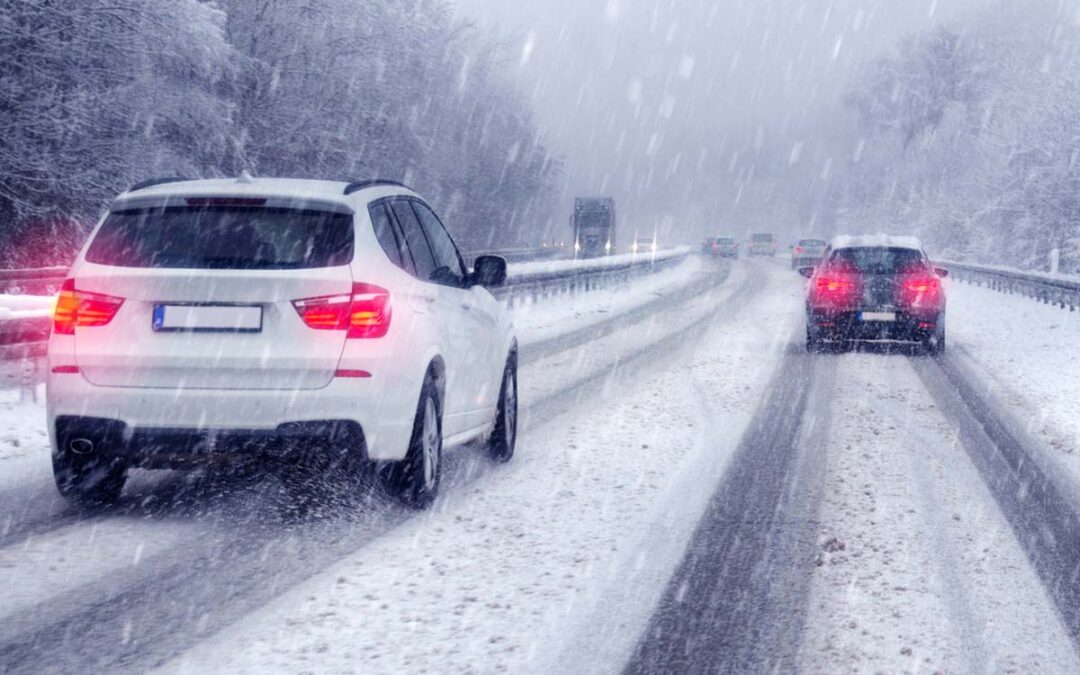
Icy weather can create challenging, and potentially dangerous, driving conditions in the winter months. Black ice forms on roadways and can produce a nearly invisible hazard. As temperatures approach freezing, icy conditions can develop, especially on roadways where elevation is higher, and bridges and overpasses. Adjusting your driving behavior for these conditions can help keep you, and others around you, safe on the road this winter.
Recognize Local Forecast
Changing winter weather can present hazards for drivers unaware of the local weather forecast. Knowing when ice may be present is an important first step. If you plan to drive in an area where snow or ice may be possible, check conditions in advance. You can sign up for weather alerts to receive text messages and optional alerts for your area. Just make sure not to use your smartphone while driving, as you will want your full concentration on the road.
Be Aware of Other Drivers
Even if you know the area and are familiar with driving on icy roads, other drivers may not be as experienced or aware of potential dangers. It’s important to increase your following distance to compensate for the increased stopping time it can take for you and other drivers to stop on slick surfaces. Be aware that larger vehicles, such as tractor-trailers, may require even longer to stop in adverse weather conditions.
Practice Caution in All Vehicle Types
While four-wheel drive, all-wheel drive, Electronic Stability Control, and other safety features can help you to drive more safely in the snow and ice, they may not be able to help drivers to safely drive at regular speed limits during snowy, slushy, or icy conditions. The National Safety Council recommends a three-second following distance during ideal road and weather conditions, and suggests slowing down and increasing following distances during adverse weather conditions or when visibility is reduced. Depending on your vehicle and where you live, you may want to consider whether snow tires are necessary in the winter months.
Expect Changing Road Conditions
Even the day after a storm, road conditions can remain challenging as road crews work to clear snow and ice. The roads may be clear in one area and icy in another due to elevation, road treatment and other factors. Freezing and melting precipitation can create new dangers overnight. As air temperatures rise above 32 degrees, roadways may retain pockets of ice that can be dangerous to drivers.
Know Where to Stop Safely
Deciding to stay home or to get off the roads when conditions turn icy can be a smart safety decision. Make sure that you choose a safe spot to wait for conditions to improve. Rest stops and parking lots are generally safer than the side of the road, where limited visibility may create hazards from snowplows and other traffic.
Encourage Safe Driving
If you have friends or family planning to travel during the winter months, offer them a chance to opt out of travel if conditions appear hazardous. For parents of newer drivers, consider creating rules about driving in snow and ice, and talk with your teens about the importance of changing their driving behavior during the winter months.
Icy conditions may present challenges for drivers, but there are steps that you can take to stay safer and to anticipate potential hazards. Know the local weather forecast, slow your speed, increase your following distance, allow yourself extra travel time and be prepared for unexpected icy conditions on the road. Just like other people’s driving, winter weather can be unpredictable.
But even the safest, most experienced drivers can get into an accident. That’s why it’s important to have the right insurance to protect you and your vehicle. Your road safety is very important to us. Call us or visit our website to discuss your auto insurance needs.
Source: https://www.travelers.com/resources/auto/safe-driving/how-to-drive-in-icy-conditions

by Pintler Insurance | Dec 26, 2024 | Safety Tips, Tips
If your pet is anything like mine, it probably loves the snow and being outside in the cold weather. Just like humans, all pets are different, so their cold tolerances vary. My dog can stay outside for hours, while my parents’ dogs would rather cozy up inside than take one step in the “polar vortex.”
Here’s a few tips to keep our furry friends safe and warm during the cold weather months!
Some ice melting substances may contain chemicals and are a danger to animals. The American Veterinary Medical Association (AVMA) has a list of household hazards you should keep away from your pets, such as antifreeze, cleaning products and certain foods. If your pet is poisoned, call your veterinarian or the ASPCA Animal Poison Control Center at 1-888-426-4435 right away.
When your pets come inside, wipe down their paws, legs and belly to remove chemicals and keep snow and salt from clumping between their toes. Rub petroleum jelly or other paw protectants onto their paws before going outside. Cracked paws can cause discomfort and allow substances to soak in, which your pet may try to lick later.
You should keep your home humidified because coming out of the cold into the dry heat can cause irritated skin. Bathe your pet as little as possible as this can remove essential oils and increase dryness. As always, make sure your pet has access to water.
- Maintain a healthy weight
If you notice your pet losing weight, you may want to give them extra food as they are using more energy to stay warm. However, some pets will gain weight if they don’t exercise that much. Figure out what your pet needs, and adjust to find the right balance.
- It might be sweater weather
Your pet already has on a handy winter coat, so you should avoid shaving it down to the skin. Longer and thicker hair will help keep them warm as they play outside. If your pet has short hair, a sweater may be a good idea. Make sure you have a couple of them on hand, because wearing a wet sweater may make your pet colder.
If temperatures are below freezing, no pet should be left outside for long periods of time.
- Never leave your pet in the car
Your furry friend may love car rides, but if you’re going somewhere you can’t bring your dog inside, it will be better to just leave them at home. A vehicle gets cold faster than you may think. If left in a cold car for too long, they could get hypothermia and freeze.
Having a lost or runaway pet is terrible, and imagining them out in the cold weather by themselves is even worse. If you don’t have a fenced-in yard, always leash and collar your dog. If your dog has a collar with updated information on it, this could help bring them back home if they run away or get lost.
Make sure your pet has a warm and comfortable place to sleep. Floors and drafts can make your pet feel chilly, so a blanket is perfect for them. If you have an outdoor pet, provide them with a closed-in shelter. This needs to be big enough for them to stand up in, but also small enough to contain heat. You may have to insulate the shelter with straw or other material to keep your pet warm.
Source: https://www.foremost.com/learning-center/cold-weather-pet-safety.asp

by Pintler Insurance | Oct 24, 2024 | Safety Tips, Tips
In the realm of construction and home improvement projects, finding the right contractor is crucial. However, amidst the rush to secure the best price or the quickest completion time, one critical factor often gets overlooked: insurance. Hiring a contractor without proper insurance coverage can expose you to a host of risks, potentially turning your dream project into a nightmare. In this blog, we’ll delve into the perils of hiring an uninsured contractor and why it’s essential to prioritize insurance when making hiring decisions.
- Liability Protection: One of the primary reasons contractors carry insurance is to protect themselves and their clients from liabilities. Construction sites are inherently risky environments, with the potential for accidents, property damage, or injuries. Without insurance, you could be held liable for any mishaps that occur during the project. This means footing the bill for medical expenses, repairs, or legal fees, which can quickly escalate and drain your finances.
- Property Damage Coverage: Whether it’s a small renovation or a major construction project, there’s always the possibility of damage to your property or neighboring properties. From accidental fires to structural damage, the costs of repairs can be exorbitant. Insurance provides a safety net in such situations, ensuring that any damages incurred during the course of the project are covered. Without insurance, you risk shouldering these expenses on your own, potentially leading to financial strain and disputes with neighbors or homeowners’ associations.
- Workers Compensation: Construction work is physically demanding and carries inherent risks for workers. In the event of injuries or accidents on the job, reputable contractors have worker’s compensation insurance to cover medical expenses and lost wages for their employees. However, hiring an uninsured contractor means that you could be held liable for any injuries sustained by the workers on your property. This not only poses a financial risk but also raises ethical concerns about the well-being of the individuals involved in the project.
- Quality Assurance: Insurance coverage is often indicative of a contractor’s professionalism and commitment to quality workmanship. Contractors who invest in insurance demonstrate accountability and a willingness to stand behind their work. On the other hand, those without insurance may cut corners or lack the resources to address issues that arise during the project. This can lead to subpar results, costly mistakes, and ultimately, dissatisfaction on your part as the client.
- Legal Compliance: In many jurisdictions, contractors are required by law to carry certain types of insurance, such as liability insurance and worker’s compensation coverage. Hiring an uninsured contractor not only puts you at risk but also exposes you to potential legal consequences. If authorities discover that you’ve hired an unlicensed or uninsured contractor, you could face fines, penalties, or even legal action. It’s crucial to verify a contractor’s insurance status and credentials before entering into any agreements.
In conclusion, hiring a contractor without insurance is a gamble that’s simply not worth taking. While it may seem like a cost-saving measure upfront, the potential risks far outweigh any perceived benefits. By prioritizing insurance coverage when selecting a contractor, you’re safeguarding your project, your property, and your peace of mind. Remember, it’s not just about getting the job done—it’s about ensuring that it’s done safely, responsibly, and with the utmost professionalism.
With more than 55 agents and 60 locations across the state of Montana and northern Idaho, Summit States Agency Group is equipped to guide you in important insurance decisions to protect what matters most to you. To find your local agent, click here.
Disclaimer: The content provided in this blog is for informational purposes and should not be considered an offer for coverage. Each insurance policy is unique and may have varying terms, conditions, and exclusions. It is essential to consult with a qualified insurance professional or licensed agent for personalized advice tailored to your specific needs. This blog does not constitute a contract, policy, or guarantee of coverage. Always refer to your individual policy documents for full details.