
by Pintler Insurance | Nov 13, 2025 | Safety Tips
The holiday season brings a surge of customers, and a fresh set of safety challenges, for small business owners. From bustling storefronts to festive decorations, the increased activity can lead to accidents if precautions aren’t taken. Whether you’re a seasonal pop-up or a year-round shop, now is the time to reinforce your safety protocols and ensure your team and customers can enjoy the season without incident.
- Keep Walkways Clear
High-traffic areas should be regularly inspected for hazards such as wet floors, cords, and clutter. Implement a routine to promptly address spills and obstructions. During snowy months, use wet floor signs and ensure proper cleaning procedures are followed to prevent slips and falls.
- Decorate Safely
Opt for UL-rated lights and avoid overloading electrical outlets. Keep cords away from doorways and ensure decorations don’t obstruct emergency exits or security systems. Additionally, ensure that your decorations don’t obstruct security systems.
- Train Your Staff
Ensure employees are familiar with basic emergency procedures, including the use of fire extinguishers and first aid kits. Regularly conduct safety drills to reinforce these protocols.
- Review Insurance Policies
Confirm that your business liability, property, and workers’ compensation coverage are current, especially if you’re hosting events or extending hours. Consult with your insurance agent to ensure adequate coverage for holiday-specific risks.
A safe business is a successful business. By proactively addressing potential hazards – from clear walkways to proper training and up-to-date insurance – you not only protect your staff and customers but also safeguard your reputation and bottom line. This holiday season, invest in safety measures that keep the festivities joyful and your operations running smoothly.

by Pintler Insurance | Apr 29, 2025 | Safety Tips, Tips
The rapid expansion of technology and the gig economy has led to a surge in home-based businesses. From freelance graphic designers to e-commerce entrepreneurs, many individuals are successfully running businesses from their homes. However, one critical question often arises: Do I need commercial insurance if I have a home-based business? The answer is a definitive yes. Let’s explore why commercial insurance is essential for home-based businesses, the differences between homeowners insurance and commercial insurance, and the types of coverage you may need.
Understanding Home-Based Businesses
Home-based businesses cover a broad spectrum of activities, including freelance work, consulting, online sales, and crafting. While operating from home often means lower startup costs, it does not eliminate risks. As a business owner, understanding the potential liabilities and coverage options is crucial for protecting yourself and your assets.
The Limitations of Homeowners Insurance
Many home-based business owners assume that their homeowners insurance policy will cover business-related activities. However, this is often not the case. Here are some limitations of homeowners insurance:
- Limited Coverage for Business Property
Homeowners insurance primarily covers personal property but may not extend to business-related equipment, inventory, or supplies. If your business equipment is damaged or stolen, you may not receive compensation under a standard homeowners policy.
- Exclusion of Business Liability
Standard homeowners insurance policies often exclude liability coverage for business-related activities. If a client or customer is injured on your property while conducting business, you may not be protected from potential lawsuits.
- Inadequate Coverage for Business Income
If your home-based business is disrupted due to a covered event (such as a fire), homeowners insurance may not cover lost income. Commercial insurance can provide business interruption coverage to address this gap.
- State Regulations and Zoning Laws
Operating a home-based business may require compliance with specific regulations or zoning laws. Homeowners insurance may not provide coverage for any legal issues arising from violations of these regulations.
Why You Need Commercial Insurance
Due to these limitations, obtaining commercial insurance is crucial for home-based business owners. Here are several reasons why:
- Comprehensive Coverage for Business Assets
Commercial insurance provides specific coverage for business property, including equipment, inventory, and supplies, ensuring financial protection in case of theft, damage, or loss.
Commercial insurance includes liability coverage that protects your business from claims related to bodily injury, property damage, and personal injury.
- Business Interruption Coverage
If your business operations are disrupted due to a covered event, commercial insurance can help cover lost income and ongoing expenses during recovery.
- Professional Liability Coverage
If you provide professional services or advice, professional liability insurance can protect you from claims of negligence or inadequate work.
Types of Commercial Insurance for Home-Based Businesses
When considering commercial insurance for your home-based business, several types of coverage may be relevant:
- General Liability Insurance – Protects against third-party claims for bodily injury, property damage, and personal injury.
- Business Property Insurance – Covers business-related assets such as equipment and inventory.
- Business Interruption Insurance – Helps cover lost income and fixed expenses during recovery from a covered event.
- Professional Liability Insurance – Protects businesses that provide professional services from claims of negligence.
- Cyber Liability Insurance – Provides protection against losses from data breaches and cyberattacks.
- Workers’ Compensation Insurance – Required if you have employees, covering medical expenses and lost wages due to workplace injuries.
Assessing Your Insurance Needs
Determining the right type and amount of commercial insurance involves:
- Evaluating Your Business Risks – Assess the risks associated with your business activities.
- Reviewing Your Homeowners Insurance Policy – Identify any coverage gaps.
- Consulting with Insurance Professionals – The Sterling Insurance Group can help determine the best coverage for your business.
- Comparing Quotes – Obtain quotes from multiple providers to find the best policy.
- Regularly Reviewing Your Coverage – Update your policy as your business evolves.
Common Misconceptions About Home-Based Business Insurance
“Homeowners Insurance Covers All Business Activities” – Most homeowners policies exclude business-related claims.
“I Don’t Need Insurance if I Am a Sole Proprietor” – Sole proprietors are still exposed to risks and liabilities.
“Insurance is Too Expensive for a Home-Based Business” – The potential financial losses from being uninsured far exceed the cost of insurance.
“I Can Wait to Get Insurance Until My Business Grows” – Delaying insurance can leave your business vulnerable to unforeseen risks.
If you operate a home-based business, obtaining commercial insurance is essential. Homeowners insurance typically does not provide adequate coverage for business-related activities, leaving you exposed to various risks. By investing in the right commercial insurance, you can protect your assets, safeguard against liabilities, and ensure the longevity of your business.
We are here to help you navigate your commercial insurance options and find the best coverage for your home-based business. Contact us today to discuss your insurance needs and secure the right protection for your business.

by Pintler Insurance | Mar 13, 2025 | Safety Tips, Tips
If you’re a renter, you know the importance of having renters insurance to protect your personal belongings and provide liability coverage. But did you know bundling your renters insurance with other policies save you money and provide additional benefits? Here are the benefits of bundling renters insurance with other policies.
Lower premiums
Bundling your renters insurance with other policies, such as auto or life insurance, may lower your premiums. Insurance companies offer discounts for bundling policies, which may help you save money on your monthly premiums.
Simplified billing
When you bundle your policies, you’ll receive one bill for all your insurance coverage. This may make it easier to keep track of your insurance payments and ensure that you don’t miss any payments.
Streamlined claims process
If you need to file a claim, having all your insurance policies with one provider can streamline the claims process. You’ll only need to contact one insurance provider, and they’ll handle the claims process for all your policies.
Additional benefits
Bundling your renters insurance with other policies may also provide additional benefits. For example, some insurance companies offer discounts for having multiple policies or provide additional coverage for specific risks, such as identity theft or natural disasters.
Customizable coverage
When you bundle your policies, you can customize your coverage to fit your needs. For example, you can choose different coverage limits for your renters insurance and auto insurance to ensure that you have the right amount of coverage for each policy.
Bundling your renters insurance with other policies may save you money, simplify your billing, streamline the claims process, provide additional benefits, and allow you to customize your coverage. Talk to your insurance provider to see if bundling your policies is right for you and how much you can save on your insurance premiums.

by Pintler Insurance | Feb 12, 2025 | Safety Tips, Tips
A Great Resource to Get You Started
You never know when disaster may strike, leaving your personal possessions lost or damaged. Do you know the value of your coin collection or how many pairs of designer shoes you own? Creating a home inventory is essential to ensure you’re adequately prepared for unexpected events. It might seem overwhelming to list everything you own, but the benefits are worth the effort.
A home inventory can help you in several ways:
- Purchase Adequate Insurance: Knowing the value of your possessions allows you to select the right amount of coverage.
- Faster Insurance Claims: A detailed inventory can expedite the claims process by providing proof of ownership.
- Verify Losses for Taxes: If you experience a disaster, a home inventory helps substantiate losses for your income tax return.
- Track Accumulated Belongings: Over the years, it’s easy to lose track of what you own. An inventory keeps you organized.
How to Create Your Home Inventory
Creating a home inventory doesn’t have to be complicated. You can tailor the process to fit your needs and preferences. Here are some approaches:
Organizing Your Inventory
- Room-by-Room: Go through each room systematically, listing items as you go.
- Category-by-Category: Focus on specific types of items, such as furniture, electronics, or clothing.
- Newest to Oldest: Begin with recent purchases and work your way backward.
- Most Expensive to Least Expensive: Start with high-value items to ensure they’re documented first.
Recording Methods
- Traditional Notepad: Write down details of your items by hand.
- Photographs: Take pictures of your possessions and write information on the back of the photos.
- Digital Tools: Use a computer or home inventory apps to store and organize your list electronically.
What to Include in Your Home Inventory
For each item, include as much detail as possible. For example:
- Description: Make, model, and color.
- Serial Numbers: Particularly for electronics and appliances.
- Purchase Details: Date, place, and price of purchase.
- Receipts: Attach copies of receipts or invoices where possible.
Don’t Forget Legal Documents
It’s crucial to include important legal and financial documents in your inventory. Record details for:
- Birth certificates
- Passports
- Insurance policies (policy numbers and contact information)
- Bank account details
Safe Storage of Your Inventory
Once your inventory is complete, store it securely to ensure it is accessible when needed:
- Fireproof Lockbox: Keep a physical copy in a fire-resistant box at home.
- Off-Site Storage: Store copies with a trusted friend, family member, or in a safe deposit box.
- Digital Backups: Save electronic versions in the cloud or on an external drive.
Keeping Your Inventory Updated
To maintain an accurate inventory:
- Add new items as you acquire them.
- Remove items you no longer own.
- Regularly review and update your list, especially after significant purchases.
How a Home Inventory Helps with Insurance
Once your inventory is ready, contact our office to review your homeowner’s insurance policy. Having an updated inventory ensures your belongings are properly protected and can help you avoid gaps in coverage.
For assistance with your home inventory or to discuss your insurance needs, reach out to us:
Source: Insurance Information Institute
by Pintler Insurance | Jan 16, 2025 | Ideas, Safety Tips, Tips
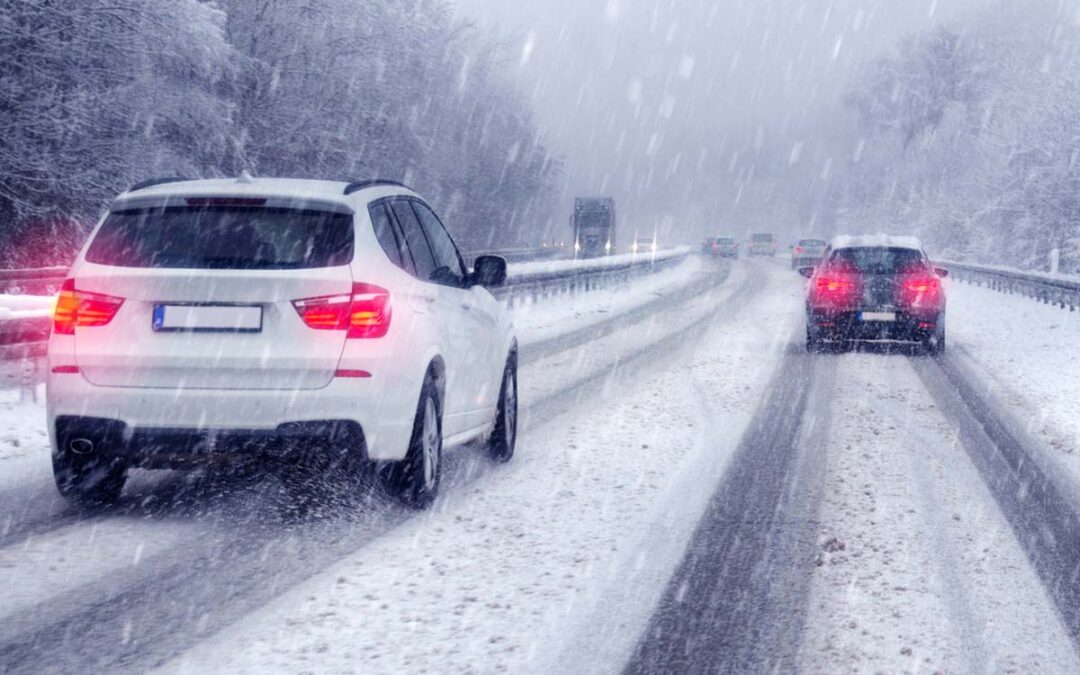
Icy weather can create challenging, and potentially dangerous, driving conditions in the winter months. Black ice forms on roadways and can produce a nearly invisible hazard. As temperatures approach freezing, icy conditions can develop, especially on roadways where elevation is higher, and bridges and overpasses. Adjusting your driving behavior for these conditions can help keep you, and others around you, safe on the road this winter.
Recognize Local Forecast
Changing winter weather can present hazards for drivers unaware of the local weather forecast. Knowing when ice may be present is an important first step. If you plan to drive in an area where snow or ice may be possible, check conditions in advance. You can sign up for weather alerts to receive text messages and optional alerts for your area. Just make sure not to use your smartphone while driving, as you will want your full concentration on the road.
Be Aware of Other Drivers
Even if you know the area and are familiar with driving on icy roads, other drivers may not be as experienced or aware of potential dangers. It’s important to increase your following distance to compensate for the increased stopping time it can take for you and other drivers to stop on slick surfaces. Be aware that larger vehicles, such as tractor-trailers, may require even longer to stop in adverse weather conditions.
Practice Caution in All Vehicle Types
While four-wheel drive, all-wheel drive, Electronic Stability Control, and other safety features can help you to drive more safely in the snow and ice, they may not be able to help drivers to safely drive at regular speed limits during snowy, slushy, or icy conditions. The National Safety Council recommends a three-second following distance during ideal road and weather conditions, and suggests slowing down and increasing following distances during adverse weather conditions or when visibility is reduced. Depending on your vehicle and where you live, you may want to consider whether snow tires are necessary in the winter months.
Expect Changing Road Conditions
Even the day after a storm, road conditions can remain challenging as road crews work to clear snow and ice. The roads may be clear in one area and icy in another due to elevation, road treatment and other factors. Freezing and melting precipitation can create new dangers overnight. As air temperatures rise above 32 degrees, roadways may retain pockets of ice that can be dangerous to drivers.
Know Where to Stop Safely
Deciding to stay home or to get off the roads when conditions turn icy can be a smart safety decision. Make sure that you choose a safe spot to wait for conditions to improve. Rest stops and parking lots are generally safer than the side of the road, where limited visibility may create hazards from snowplows and other traffic.
Encourage Safe Driving
If you have friends or family planning to travel during the winter months, offer them a chance to opt out of travel if conditions appear hazardous. For parents of newer drivers, consider creating rules about driving in snow and ice, and talk with your teens about the importance of changing their driving behavior during the winter months.
Icy conditions may present challenges for drivers, but there are steps that you can take to stay safer and to anticipate potential hazards. Know the local weather forecast, slow your speed, increase your following distance, allow yourself extra travel time and be prepared for unexpected icy conditions on the road. Just like other people’s driving, winter weather can be unpredictable.
But even the safest, most experienced drivers can get into an accident. That’s why it’s important to have the right insurance to protect you and your vehicle. Your road safety is very important to us. Call us or visit our website to discuss your auto insurance needs.
Source: https://www.travelers.com/resources/auto/safe-driving/how-to-drive-in-icy-conditions