by Pintler Insurance | Jun 24, 2026 | Ideas, Safety Tips, Tips
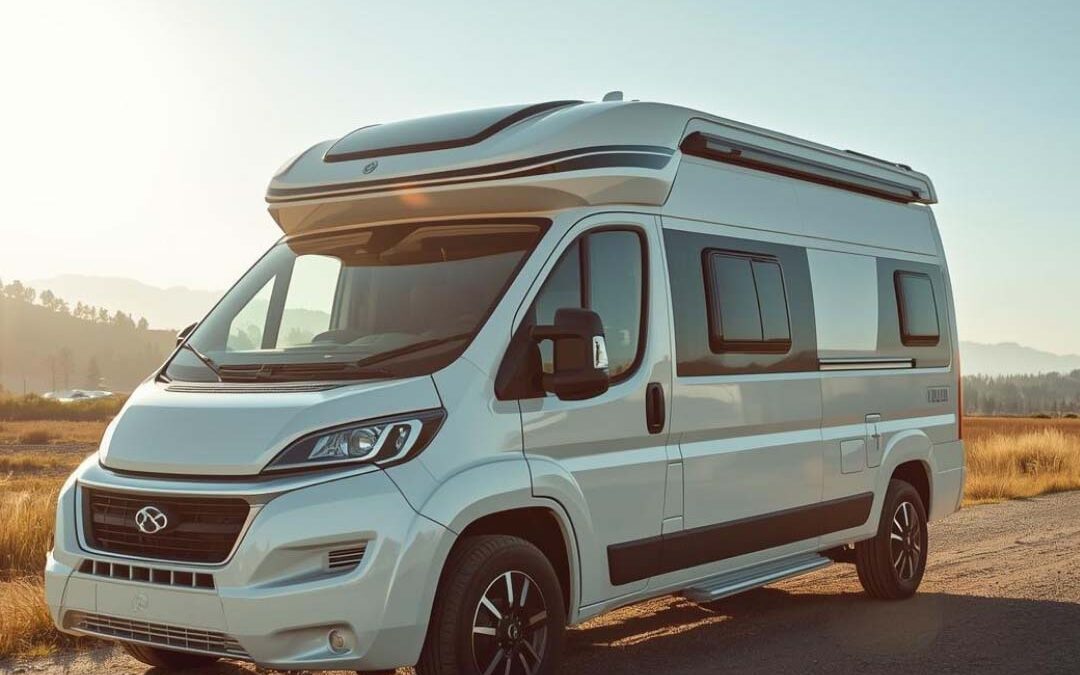
Think about the last time you hit the road. You’ve got the ultimate playlist, the cooler is stocked with top-tier treats, and your “rolling vacation castle” is ready for the horizon. Whether it’s a luxury motorhome or a cozy travel trailer, your camper is more than just a vehicle—it’s your home away from home.
And just like a house, it needs the right protection.
While the snacks might be better in a camper, the risks are just as real as they are for a stationary home. From unpredictable weather to uninvited guests, making certain your investment is covered allows you to focus on the campfire, not the “what-ifs.”
Why Standard Auto Insurance Isn’t Enough
Many owners assume their auto policy has them covered. While your car insurance might provide some liability while you’re towing, it often falls short when it comes to the “living” side of your RV. A specialized RV insurance policy accounts for:
-
- Personal Property: Your clothes, gear, and those expensive camping gadgets.
- Attached Accessories: Awnings, satellite dishes, and custom levels.
- Total Loss Replacement: If the worst happens, you want to get back on the road in a comparable model.
Real Risks on the Open Road
Nature is beautiful, but it can be unpredictable. When you’re living the nomadic life, you must account for:
- Storms: High winds and hail don’t care about your weekend plans.
- Theft: Campgrounds are generally safe, but your valuables are still at risk.
- Bears with Bad Manners: Wildlife encounters can lead to more than just a good story; they can cause significant physical damage to your exterior.
The Benefit of an Independent Agency
As an independent insurance agency, we don’t work for one big corporation; we work for you. Because we have access to multiple carriers, we can shop around to find the specific coverage that fits your lifestyle and budget.
We look for the nuances—like roadside assistance that actually understands how to tow a large rig or vacation liability for when you’re parked at the site. We help you navigate the fine print so you can feel confident in your coverage.
Protect Your Rolling Vacation Castle
Campers aren’t cheap, and they represent the time and effort you’ve put into your leisure time. Don’t leave your favorite memories to chance. By securing a policy tailored to the unique needs of a house on wheels, you can rest easy knowing your snacks (and everything else) are safe.
Ready to see how we can protect your next adventure?

by Pintler Insurance | May 15, 2026 | auto, Ideas, Tips
A Season of Milestones
May brings graduation celebrations—and for many families, it also means new drivers hitting the road.
Adding a young driver to your auto policy can feel like a big step. Along with the excitement of independence comes a new level of responsibility. Insurance costs often increase, and coverage decisions suddenly carry more weight than ever before.
Understanding the Risk
Young drivers are statistically more likely to be involved in accidents, which is why insurance carriers adjust rates accordingly. However, there are ways to help manage those costs. Good student discounts, defensive driving courses, and choosing a safe, reliable vehicle can all play a role.
Conversations That Matter
Beyond the financial side, this is also an opportunity for important conversations. Setting expectations around safe driving habits, minimizing distractions, and understanding the impact of decisions behind the wheel can go a long way.
Reviewing Your Coverage
It’s also important to review your current policy limits. Liability coverage becomes especially important when a new driver is added to your household. In the event of an accident, having appropriate limits in place can help protect your family financially.
More Than Just a First Car
This milestone is about more than just getting from point A to point B—it’s about preparing for real-world responsibility.
Taking time to review your coverage now can help your family navigate this transition with confidence.
May brings graduation celebrations—and for many families, it also means new drivers hitting the road.
Adding a young driver to your auto policy can feel like a big step. Along with the excitement of independence comes a new level of responsibility. Insurance costs often increase, and coverage decisions suddenly carry more weight than ever before.
Let’s Get Your Family Ready for the Road Ahead
With a new driver in the household, now is a great time to take a closer look at your auto policy. Reviewing your coverage, available discounts, and liability limits can help align your protection with this new stage. Reach out to start the conversation and explore options that support your family every mile ahead.

by Pintler Insurance | Nov 13, 2025 | Safety Tips
The holiday season brings a surge of customers, and a fresh set of safety challenges, for small business owners. From bustling storefronts to festive decorations, the increased activity can lead to accidents if precautions aren’t taken. Whether you’re a seasonal pop-up or a year-round shop, now is the time to reinforce your safety protocols and ensure your team and customers can enjoy the season without incident.
- Keep Walkways Clear
High-traffic areas should be regularly inspected for hazards such as wet floors, cords, and clutter. Implement a routine to promptly address spills and obstructions. During snowy months, use wet floor signs and ensure proper cleaning procedures are followed to prevent slips and falls.
- Decorate Safely
Opt for UL-rated lights and avoid overloading electrical outlets. Keep cords away from doorways and ensure decorations don’t obstruct emergency exits or security systems. Additionally, ensure that your decorations don’t obstruct security systems.
- Train Your Staff
Ensure employees are familiar with basic emergency procedures, including the use of fire extinguishers and first aid kits. Regularly conduct safety drills to reinforce these protocols.
- Review Insurance Policies
Confirm that your business liability, property, and workers’ compensation coverage are current, especially if you’re hosting events or extending hours. Consult with your insurance agent to ensure adequate coverage for holiday-specific risks.
A safe business is a successful business. By proactively addressing potential hazards – from clear walkways to proper training and up-to-date insurance – you not only protect your staff and customers but also safeguard your reputation and bottom line. This holiday season, invest in safety measures that keep the festivities joyful and your operations running smoothly.

by Pintler Insurance | Apr 29, 2025 | Safety Tips, Tips
The rapid expansion of technology and the gig economy has led to a surge in home-based businesses. From freelance graphic designers to e-commerce entrepreneurs, many individuals are successfully running businesses from their homes. However, one critical question often arises: Do I need commercial insurance if I have a home-based business? The answer is a definitive yes. Let’s explore why commercial insurance is essential for home-based businesses, the differences between homeowners insurance and commercial insurance, and the types of coverage you may need.
Understanding Home-Based Businesses
Home-based businesses cover a broad spectrum of activities, including freelance work, consulting, online sales, and crafting. While operating from home often means lower startup costs, it does not eliminate risks. As a business owner, understanding the potential liabilities and coverage options is crucial for protecting yourself and your assets.
The Limitations of Homeowners Insurance
Many home-based business owners assume that their homeowners insurance policy will cover business-related activities. However, this is often not the case. Here are some limitations of homeowners insurance:
- Limited Coverage for Business Property
Homeowners insurance primarily covers personal property but may not extend to business-related equipment, inventory, or supplies. If your business equipment is damaged or stolen, you may not receive compensation under a standard homeowners policy.
- Exclusion of Business Liability
Standard homeowners insurance policies often exclude liability coverage for business-related activities. If a client or customer is injured on your property while conducting business, you may not be protected from potential lawsuits.
- Inadequate Coverage for Business Income
If your home-based business is disrupted due to a covered event (such as a fire), homeowners insurance may not cover lost income. Commercial insurance can provide business interruption coverage to address this gap.
- State Regulations and Zoning Laws
Operating a home-based business may require compliance with specific regulations or zoning laws. Homeowners insurance may not provide coverage for any legal issues arising from violations of these regulations.
Why You Need Commercial Insurance
Due to these limitations, obtaining commercial insurance is crucial for home-based business owners. Here are several reasons why:
- Comprehensive Coverage for Business Assets
Commercial insurance provides specific coverage for business property, including equipment, inventory, and supplies, ensuring financial protection in case of theft, damage, or loss.
Commercial insurance includes liability coverage that protects your business from claims related to bodily injury, property damage, and personal injury.
- Business Interruption Coverage
If your business operations are disrupted due to a covered event, commercial insurance can help cover lost income and ongoing expenses during recovery.
- Professional Liability Coverage
If you provide professional services or advice, professional liability insurance can protect you from claims of negligence or inadequate work.
Types of Commercial Insurance for Home-Based Businesses
When considering commercial insurance for your home-based business, several types of coverage may be relevant:
- General Liability Insurance – Protects against third-party claims for bodily injury, property damage, and personal injury.
- Business Property Insurance – Covers business-related assets such as equipment and inventory.
- Business Interruption Insurance – Helps cover lost income and fixed expenses during recovery from a covered event.
- Professional Liability Insurance – Protects businesses that provide professional services from claims of negligence.
- Cyber Liability Insurance – Provides protection against losses from data breaches and cyberattacks.
- Workers’ Compensation Insurance – Required if you have employees, covering medical expenses and lost wages due to workplace injuries.
Assessing Your Insurance Needs
Determining the right type and amount of commercial insurance involves:
- Evaluating Your Business Risks – Assess the risks associated with your business activities.
- Reviewing Your Homeowners Insurance Policy – Identify any coverage gaps.
- Consulting with Insurance Professionals – The Sterling Insurance Group can help determine the best coverage for your business.
- Comparing Quotes – Obtain quotes from multiple providers to find the best policy.
- Regularly Reviewing Your Coverage – Update your policy as your business evolves.
Common Misconceptions About Home-Based Business Insurance
“Homeowners Insurance Covers All Business Activities” – Most homeowners policies exclude business-related claims.
“I Don’t Need Insurance if I Am a Sole Proprietor” – Sole proprietors are still exposed to risks and liabilities.
“Insurance is Too Expensive for a Home-Based Business” – The potential financial losses from being uninsured far exceed the cost of insurance.
“I Can Wait to Get Insurance Until My Business Grows” – Delaying insurance can leave your business vulnerable to unforeseen risks.
If you operate a home-based business, obtaining commercial insurance is essential. Homeowners insurance typically does not provide adequate coverage for business-related activities, leaving you exposed to various risks. By investing in the right commercial insurance, you can protect your assets, safeguard against liabilities, and ensure the longevity of your business.
We are here to help you navigate your commercial insurance options and find the best coverage for your home-based business. Contact us today to discuss your insurance needs and secure the right protection for your business.

by Pintler Insurance | Mar 13, 2025 | Safety Tips, Tips
If you’re a renter, you know the importance of having renters insurance to protect your personal belongings and provide liability coverage. But did you know bundling your renters insurance with other policies save you money and provide additional benefits? Here are the benefits of bundling renters insurance with other policies.
Lower premiums
Bundling your renters insurance with other policies, such as auto or life insurance, may lower your premiums. Insurance companies offer discounts for bundling policies, which may help you save money on your monthly premiums.
Simplified billing
When you bundle your policies, you’ll receive one bill for all your insurance coverage. This may make it easier to keep track of your insurance payments and ensure that you don’t miss any payments.
Streamlined claims process
If you need to file a claim, having all your insurance policies with one provider can streamline the claims process. You’ll only need to contact one insurance provider, and they’ll handle the claims process for all your policies.
Additional benefits
Bundling your renters insurance with other policies may also provide additional benefits. For example, some insurance companies offer discounts for having multiple policies or provide additional coverage for specific risks, such as identity theft or natural disasters.
Customizable coverage
When you bundle your policies, you can customize your coverage to fit your needs. For example, you can choose different coverage limits for your renters insurance and auto insurance to ensure that you have the right amount of coverage for each policy.
Bundling your renters insurance with other policies may save you money, simplify your billing, streamline the claims process, provide additional benefits, and allow you to customize your coverage. Talk to your insurance provider to see if bundling your policies is right for you and how much you can save on your insurance premiums.
