by Pintler Insurance | Sep 18, 2023 | Safety Tips
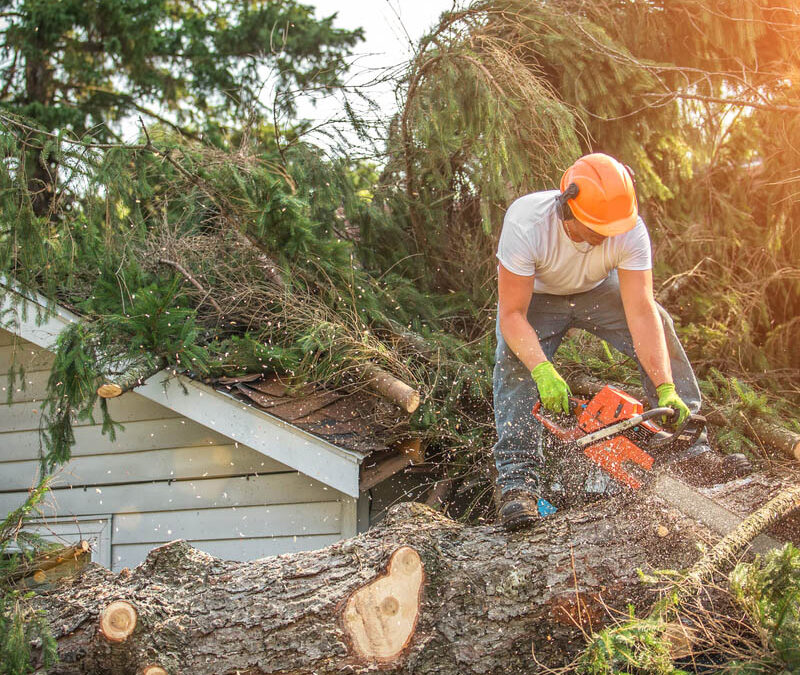
According to the Center for Disease Control (CDC), there are about 36,000 injuries caused by chainsaws every year. Approximately 40 percent of all chainsaw accidents occur to the legs and well over 35 percent occur to the left hand and wrist. The average chainsaw injury requires 110 stitches and medical costs for chainsaw injuries amount to at least $350 million per year. The two leading causes for chainsaw injuries are lack of training and experience with using a chainsaw, and not wearing the proper PPE (Personal Protective Equipment.)
Risk of these injuries can be reduced by practicing proper chainsaw safety and operation, and wearing the appropriate personal protective equipment (PPE). As your insurance agent, we strongly urge you to read and follow the following safety prevention tips to keep you, friends, and family safe this summer.
Before You Start the Chainsaw
Proper chainsaw operation starts before even turning on the saw. Inspect the area for anything that might put your safety at risk. Some examples include:
- Anything above the work site that could dislodge into the work site
- An escape route in case you need to reach safety quickly
- Debris (rocks, large branches, tree stumps, or nails)
- Electric power lines
If you notice electric power lines near the worksite, you should always remain at least ten feet away from them. If you can’t, then you should contact the utility company to de-energize the lines.
It is important to ensure that all chainsaw parts are in good working condition before attempting to power on the saw. Chainsaws should have the following parts: chain catcher, anti-vibration handle system, chain brake, hand guard, muffler, fuel container, and throttle. If you find a chainsaw is damaged or that any of these parts are missing, do NOT use the chainsaw until it can be repaired. Fuel and oil levels should also be checked before starting the chainsaw. Refueling should take place at least ten feet away from any open flame or other source of ignition.
Starting the Chainsaw
Never drop start a chainsaw by holding the starting cord with one hand and pushing the saw down with the other. Instead, place the saw on the ground with the chain brake engaged and pull the start cord toward you.
Proper Chainsaw Personal Protection Equipment
The following PPE should be used during chainsaw operation:
- Safety glasses with side shields, safety goggles, and face shields
- Leather gloves with ballistic nylon reinforcement on the back
- Heavy, well-fitted, safety work boots
- Hard hat, highly visible in color
- Hearing protection
- Trousers or chaps with sewn-in ballistic nylon pads. Trousers (pants) that protect to the belt line offer more protection than those that stop at the upper thigh. Close fitting clothing without cuffs, made of close-woven fabrics.
- Fall protection
Safety and Operation Techniques
In order to reduce the risk of injury, always practice proper chainsaw safety and operation techniques. These include:
- Making sure the fall area is free of debris or hazards
- Avoiding cutting an object so that it falls into nearby objects – This can cause both objects to fall in unexpected and possibly dangerous ways.
- Keeping the tip guard in place
- Gripping the handle with both hands
- Avoiding, whenever possible, cutting an object under tension
- Being aware of kick-back
Additionally, all other bystanders should remain at least 150 feet from anyone cutting down a tree and at least 30 feet from anyone removing limbs from a tree.
To avoid losing balance while using a chainsaw or losing control of the saw, never use a saw in a way that causes you to be off-center, such as reaching out too far or standing on an uneven surface. To maintain control of the chainsaw, all cuts should be below the waist and the chainsaw should never be raised above head level. If you are carrying the chainsaw more than 50 feet or through difficult terrain such as slippery surfaces or thick underbrush, engage the chain brake or shut off the chainsaw.
Watch these chainsaw safety and operating tips from Remington Power Tools.
Even with proper training, operating a chainsaw is inherently dangerous. Never attempt to do jobs beyond your abilities. High-risk chainsaw operations include operating a chainsaw above ground level, such as in a tree or on a ladder, working on a steep slope or uneven ground, cutting trees known to split, working in inclement weather, such as heavy rain or extreme cold, and working for long periods of time with no breaks.
Chainsaw safety is a priority for every homeowner. You may not want to spend the extra few minutes checking the function of the saw and inspecting the worksite. However, doing so can help prevent risks, including those related to injury to you or your family.
We are your local independent insurance agent. We can provide coverage from many insurance carriers so you receive the insurance for your budget and needs! You can reach us by phone or online.
Source: https://safetyskills.com/chainsaw-safety-operation/ and https://www.ccohs.ca/oshanswers/safety_haz/chainsaws/ppe.html and https://incident-prevention.com/ip-articles/the-risks-and-rules-of-chainsaw-operation
by Pintler Insurance | Aug 24, 2023 | auto, Ideas
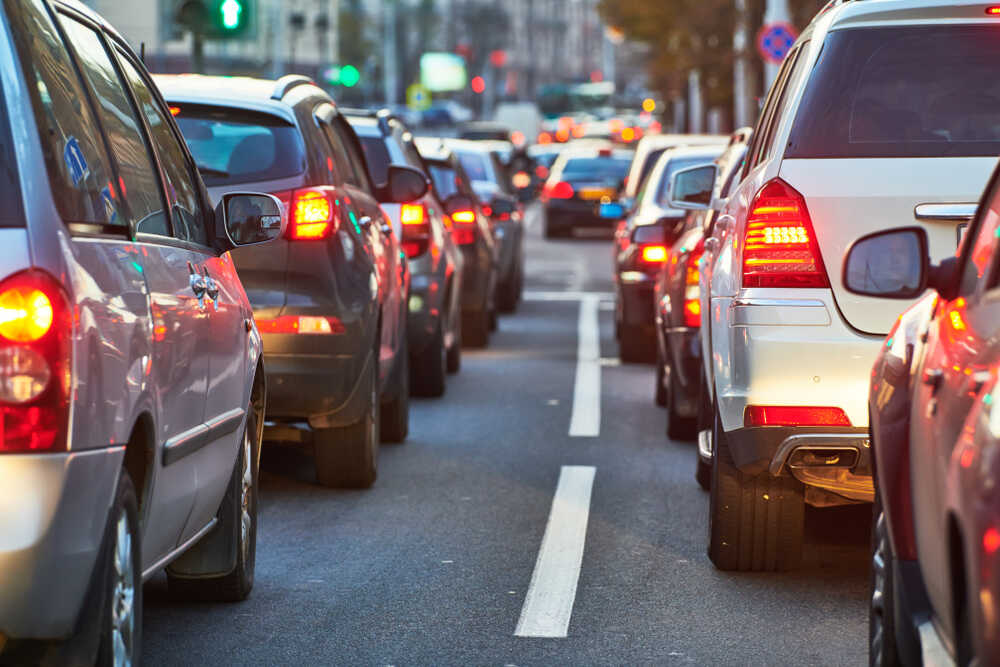
Auto insurance is necessary for anyone who owns and operates a vehicle. It is required by law in most states and provides essential protection for you and others on the road. In this blog, we’ll discuss the importance of auto insurance and how it can protect you and others on the road.
1. Required by Law
In most states, auto insurance is required by law. You could face legal consequences if caught driving without insurance, including fines and license suspension. Understanding your state’s requirements and ensuring adequate coverage to avoid legal issues is important.
2. Protection for Your Vehicle
Auto insurance can provide coverage for your vehicle in case of damage or theft. If you’re in an accident or your car is stolen, your insurance policy can help cover the cost of repairs or replacement.
3. Liability Protection
Auto insurance also provides liability protection, which means that if you’re at fault in an accident, your insurance policy can help cover the cost of any damages or injuries you cause to others. Without liability protection, you could be personally responsible for these costs, which can be financially devastating.
4. Medical Coverage
Many auto insurance policies also provide medical coverage for you and your passengers in case of injury in an accident. This can help cover the cost of medical bills and related expenses.
5. Peace of Mind
Auto insurance can give you peace of mind knowing that you’re protected in an accident or other event. It’s one less thing to worry about while on the road.
In conclusion, auto insurance is important for protecting yourself and others on the road. It’s required by law in most states and provides protection for your vehicle, liability protection, medical coverage, and peace of mind. When selecting an auto insurance policy, make sure to consider your personal needs and budget, and shop around to find the best coverage and rates for your needs.

by Pintler Insurance | Aug 24, 2023 | Tips
The Montana Pesticide Waste Disposal Program is a free program administered by the Montana Department of Agriculture. Since its start in 1994, the program has collected more than 700,000 pounds of wastes. It is an important program that helps protect Montana’s environment. The program accepts a variety of wastes, including:
-
-
- Empty pesticide containers.
- Pesticide residues.
- Contaminated soil.
- Contaminated clothing.
However, it does not accept:
-
-
- Explosives.
- Radioactive materials.
- Medical waste.
To participate, you must register online or call the Montana Department of Agriculture. Once registered, you can schedule a time to bring your wastes to a disposal event which are held throughout the year in various locations around the state. You can find a list of upcoming disposal events on the Department of Agriculture’s website.
By participating in the program, you can:
-
-
- Dispose of your pesticide waste safely and properly.
- Help protect the environment.
- Save money on disposal fees.
We encourage all our ensured to do their part to protect our environment by using this program. With more than 55 agents and 60 locations across the state of Montana and northern Idaho, Farmers Union Insurance is equipped to guide you in important insurance decisions to protect what matters most to you. To find your local agent, click here.
Sources:
Montana Department of Agriculture
Pesticide Waste Disposal Program
by Pintler Insurance | Jun 8, 2023 | Ideas, Tips
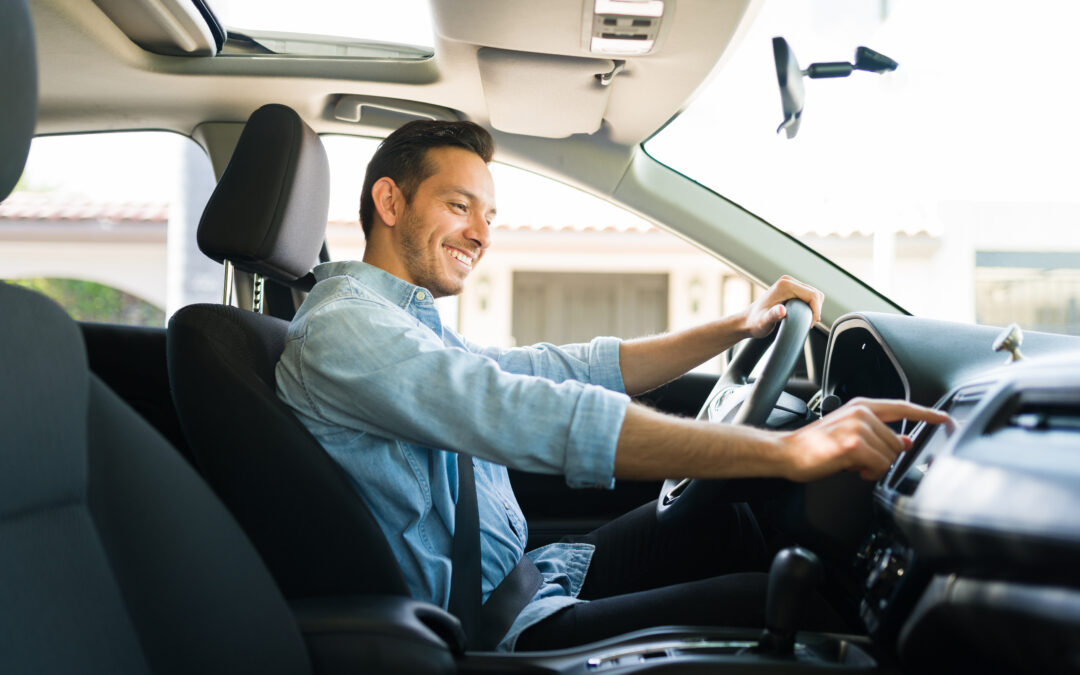
If you own a vehicle, you should own an auto insurance  policy. Have you ever wondered how the cost of your policy is determined? There are a number of different factors that impact the cost of your auto insurance. While not all companies use the same parameters, we will help you understand what commonly determines the bottom line of your auto policy.
First, your driving record – The better your record, the lower your premiums. If you have been in accidents or had serious traffic violations, it is likely you will pay higher premiums. How much you use your car is also considered while determining the cost of your premium. The more miles you drive, the more chance for an accident. Even where you park is taken into consideration. Do you park in a secure garage? Or do you park on a street?
 Other factors taken into consideration while determining your auto insurance costs are: your age, the car you drive, and the amount of auto insurance you wish to carry. Mature drivers generally have fewer accidents than beginners. The cost of your car and the amount of insurance coverage you want to carry are major factors in the cost of your policy as well.

There are many different factors that go into determining the cost of your auto insurance policy. Some factors can vary from one area or state to another.
Source: https://www.iii.org/article/what-determines-price-my-auto-insurance-policy

by Pintler Insurance | May 24, 2023 | Ideas, Tips
While learning how to jump start a car can be easy, there are risks in it if done so incorrectly. As your insurance agent, we care about your safety!
Watch these steps for jump starting a car from Safe2Drive.
What do you need to jump start a car?
Before you can recharge and get going, you need a few basics: jumper cables and a power source – either a portable jump battery (a jump box) or another vehicle.
Jumper cables are long, thickly insulated cables with toothy clips on one or both ends. These clips are called alligator clips. The clips are distinguished by color, usually red and black, to indicate positive and negative polarity. The red clip is positive. The black clip is negative.
Jump boxes are portable batteries used to jump start a vehicle without connecting to another vehicle and come with special jump cables. These cables connect the jump battery directly to the dead car battery. Road side assistance usually uses a jump box when helping stalled vehicles.
What do you need to know about car batteries to jump start a car?
Car batteries have two larger nubs, called terminals. There is a positive terminal and a negative terminal. Each should be clearly marked. Connecting cables to the right terminal is important to completing the circuit and gives power to the dead battery.
- Positive terminal – The positive terminal is usually the bigger of the two terminals. It is marked with “POS” or “+”. It will connect to the positive clip on the jumper cable, which is usually red.
- Negative terminal – The negative terminal on the battery is usually marked with “NEG” or “-“. This will attach to the other clip, which is usually black.
CAUTIONS WHEN JUMP STARTING A CAR:
- READ THE OWNER’S MANUAL. Some cars are not recommended for jump starting because they have sensitive circuitry
- DO NOT JUMP corroded, cracked, leaking, or visibly damaged batteries
- DO NOT JUMP frozen batteries
- DO NOT JUMP dry batteries
- DO NOT TOUCH CLIPS together. This is true when connected, but get in the habit by never touching the clips together.
Protect the donor battery
A quick test that there is enough voltage for the donor, be sure that the car giving the jump start headlights are steady and bright when the car is started. If the headlights dim, that can signal that the battery is low.
How do you use jumper cables to jump start a car from another vehicle?
- CHECK BATTERIES: Make sure that the battery giving the jump has enough voltage and is a matching voltage system type (12V, 6V, etc.)
- READY CARS: Put both cars in park or neutral, turn the ignitions off, and put on the parking brake.
- OPEN THE HOOD of each car.
- ATTACH ALLIGATOR CLIPS to the terminals in the following order:
- Red to Dead – Connect red, or positive, clip to the positive terminal on the battery of the dead car.
- Red to Donor – Connect the red, positive, clip to the positive terminal on the donor battery on the other car.
- Black to Donor – Connect the black clip to the negative terminal of the donor car.
- Black to Metal – Connect the black clip to an unpainted metal part of the dead car that is not directly next to the battery. One of the metal struts that hold the hood open is a good place to clip the second black, or negative, clip.
- START THE DONOR CAR so that the battery can supply power to the dead battery.
- IDLE the donor car, allowing it to run for a few minutes.
- TEST the interior light of the car being jump started. If it goes on, there may be enough power.
- START the dead car.
After the car is jump started:
Unclip the clips in the reverse order you connected them:
-
- The black clip on the unpainted metal
- The black clip from the negative terminal
- Red clip from the donor car
- Red clip from the dead car’s battery
If the jump works and your car starts, don’t shut off your engine! Drive around for at least 15 minutes to recharge your battery. If the car won’t start the next time you use it, the battery isn’t holding a charge and needs to be replaced.
Source: https://www.idrivesafely.com/defensive-driving/trending/how-jump-car-simple-steps-bring-your-car-battery-back-lifeand https://www.dummies.com/home-garden/car-repair/how-to-jump-start-a-car/