
by Pintler Insurance | Feb 12, 2024 | Safety Tips, Tips
Life is the most precious gift and we love insuring yours! Pintler Insurance values every single one of our loyal clients and this month, we are sending you love and gratitude for welcoming us into your families and homes. It is our pleasure and honor to provide you protection and assurance in these times of uncertainty. Some of the most impactful services we proudly provide are:
Life Insurance Options:
• Whole Life Insurance
• Term Life Insurance
• Key Person Insurance
• Universal Life Insurance
• Final Expense Insurance
If you have questions, we would love to answer them! If you have concerns, we would  love to address them! We love insuring you – and all the things that come along with it! Get to know us better at Pintler Insurance, and let us give you the support and protection you so very much deserve!
(406) 563-5991

by Pintler Insurance | Jan 2, 2024 | Tips
Tax planning and wealth preservation are critical aspects of managing the financial affairs of high net worth individuals (HNWIs). Proper tax planning can help minimize tax liabilities and protect accumulated wealth. Here are some insights into legal and strategic methods to achieve these objectives:
- Tax-Efficient Investment Strategies:
- Invest in tax-efficient assets like tax-free municipal bonds or tax-advantaged accounts such as IRAs and 401(k)s.
- Consider long-term capital gains investments, as they often enjoy preferential tax rates compared to short-term gains.
- Estate Planning:
- Create a comprehensive estate plan that includes a will, trusts, and other legal instruments to minimize estate taxes.
- Utilize the federal estate tax exemption and the gift tax annual exclusion to transfer wealth tax-efficiently to heirs.
- Explore dynasty trusts to provide for multiple generations while potentially avoiding estate taxes.
- Tax Loss Harvesting:
- Offset capital gains with capital losses by selling underperforming investments to reduce your tax liability.
- Be mindful of wash-sale rules that prevent repurchasing the same or substantially identical securities within 30 days.
- Charitable Giving:
- Leverage charitable giving strategies, such as donor-advised funds or charitable trusts, to reduce taxable income and support causes you care about.
- Consider a charitable remainder trust, which provides income during your lifetime while benefiting a charity upon your passing.
- Tax-Efficient Withdrawal Strategies:
- Develop a tax-efficient withdrawal plan for retirement accounts, aiming to minimize income tax while preserving wealth.
- Utilize Roth IRA conversions strategically to convert pre-tax retirement savings into tax-free income during retirement.
- Asset Location:
- Place tax-efficient investments in taxable accounts and tax-inefficient investments in tax-advantaged accounts to optimize tax efficiency.
- Gifting and Intra-Family Strategies:
- Make use of annual gift exclusions to transfer assets to family members without incurring gift taxes.
- Implement family limited partnerships or family LLCs to facilitate tax-efficient wealth transfers.
- Insurance Strategies:
- Consider life insurance policies with cash value as an investment and estate planning tool.
- Use irrevocable life insurance trusts (ILITs) to exclude life insurance proceeds from your taxable estate.
- Qualified Small Business Stock (QSBS):
- Invest in qualified small businesses to potentially benefit from QSBS exemptions, which can eliminate or reduce capital gains tax on qualified stock.
- International Tax Planning:
- For HNWIs with international assets, consult with tax professionals to optimize tax structures, such as offshore trusts and tax treaties, to minimize tax liability.
- Family Office or Private Trust Company:
- Establish a family office or a private trust company to centralize financial management and implement customized tax strategies for your family’s needs.
- Regular Review and Adaptation:
- Tax laws and regulations change over time, so it’s crucial to regularly review and adapt your tax strategies to take advantage of new opportunities and stay compliant with evolving rules.
- Professional Advice:
- Work with experienced tax advisors, estate planners, and financial professionals who specialize in high net worth individuals to create and implement effective tax planning and wealth preservation strategies.
Remember that tax planning should always be aligned with your overall financial goals and risk tolerance. Strategies should be legally compliant and consider potential future changes in tax laws. Consulting with professionals who specialize in tax planning for HNWIs is essential to navigate the complexities of wealth preservation and tax minimization effectively.

by Pintler Insurance | Dec 1, 2023 | Safety Tips, Tips
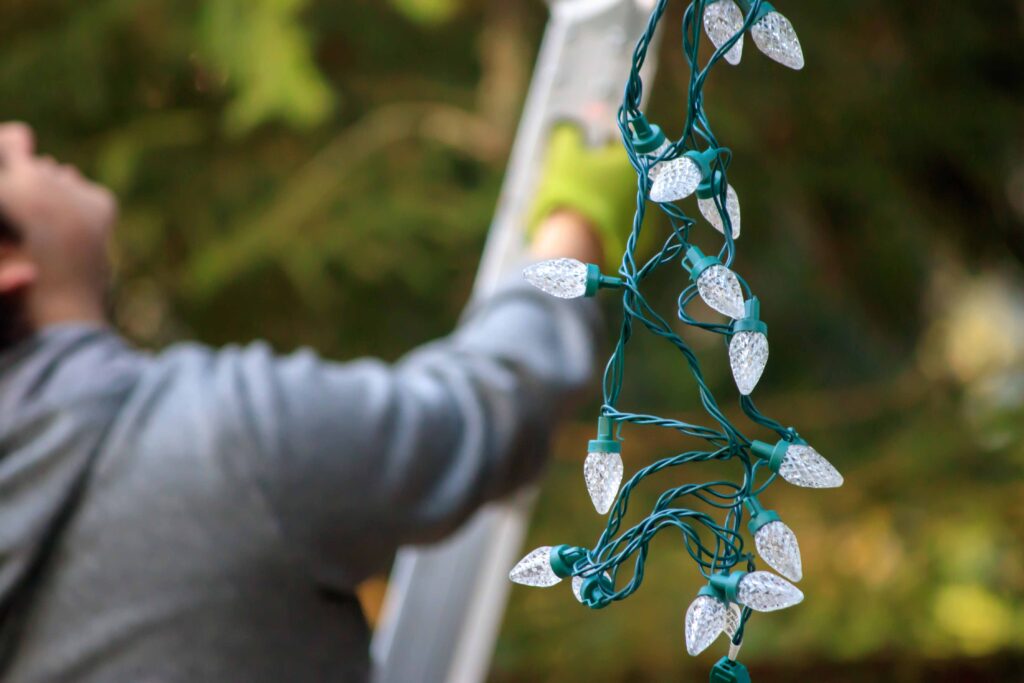
Strands of sparkling holiday lighting make your home feel merry and bright, especially on a gloomy December day. However, if installed incorrectly, they have the potential to damage your home or electrical system. Before you grab your ladder and boxes of lights, review our list of do’s and don’ts for hanging holiday lighting strands safely.
DO’s:
EXAMINE LIGHTS BEFORE HANGING – Return or throw away any holiday lighting sets with cracked or broken sockets, loose connections or frayed or bare wires. Replace burned-out bulbs promptly with bulbs of the same wattage. Hanging lights with damaged electrical wiring leads to a potentially flammable short.
USE VERIFIED LIGHTING AND APPROPRIATE OUTDOOR OUTLETS TO SUPPORT ELECTRICAL WIRING – Only use lights tested, rated and approved by Underwriters Laboratory (UL) or Intertek (ETL Semko) for outside use. These safety ratings should be clearly marked, both on the packaging and with labels attached to the electrical cords. Plug in all outdoor electrical decorations into a ground-fault circuit interrupter (GFCI). This safety outlet is designed to cut the power if electricity comes into contact with water, which is common outside.
CONSIDER USING LEDS OVER INCANDESCENT BULBS – LED lights are about 75 percent more efficient than conventional incandescent lights. This makes your electrical load more than seven times smaller. If you don’t have LED lights, consider the cooler-burning “mini” holiday lights instead of the traditional larger bulbs, which burn much hotter.
ASK FOR HELP – If installed incorrectly, holiday lighting can damage your home. Additionally, outdoor lights are often
man in gray holding christmas lights climbs ladder
dangerous to install, especially if your roof has steep pitches or multiple levels. If you don’t feel comfortable, it is important to seek assistance. Find a friend to help you install your lights.
DON’Ts:
POWER TOO MANY LIGHTS WITH THE SAME OUTLET OR EXTENSION CORD – Each standard circuit breaker is able to handle about 15 amps of current. Light strings only draw a few milliamps individually. However, when you add too many strings together, it is easy to overdraw power. This has the potential to cause some serious damage to your electrical wiring. Plus, the more lights you connect end to end, the further the power must travel, leading to not-so-bright lights.
NEVER USE STAPLES, TACKS OR NAILS – THEY CAN DAMAGE YOUR ELECTRICAL WIRING – It’s fairly common for a string of holiday lights to have exposed electrical wiring in some areas. Unfortunately, if you use metal fasteners like staples, tacks or nails, it creates a circuit and generates heat that could set your home on fire. Additionally, if metal components come in contact with a live string of holiday lighting and then the current touches the metal components of your home, such as your gutters or downspouts, it creates an electrocution hazard. Always use insulated holders or plastic roof clips designed especially for hanging outside lights
CONNECT LEDS AND INCANDESCENT LIGHTS TOGETHER – Because incandescent light strings require a larger power current than LEDs, connecting them together one after the other causes the power drawn by the incandescent lights to overload — and then fry — the LED strings. It’s better to keep holiday lighting strands completely separate, running each out of a different outlet to avoid frying your electrical wiring.
Every year 150 home fires start with holiday lights and other decorative lighting. And another 260 home fires begin with Christmas trees. Follow these do’s and don’t to cut down on your chances of a home insurance claim. We want you to stay safe this holiday season. Call us or visit our website to discuss your home insurance needs. We can provide coverage from many insurance carriers so you receive the insurance for your budget and needs!
Source: https://apollohome.com/blog/christmas-light-safety/ and https://www.eversource.com/content/general/residential/safety/electric-safety/holiday-light-safety
by Pintler Insurance | Nov 30, 2023 | auto, Tips
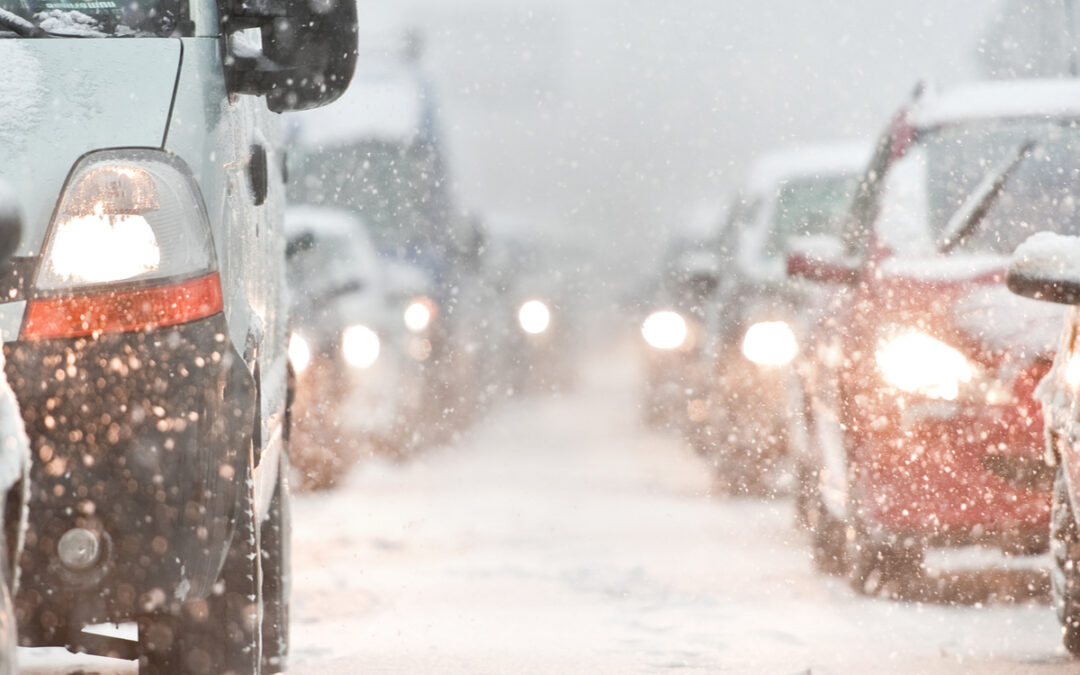
Holiday travel is on the planner! But wintry weather and extensive travel time can lead to safety hazards. Here are seven holiday travel safety tips to know before you hit the road.
- Have your car inspected or serviced before you leave, and keep an emergency kit in it.
Car trouble is a common issue for travelers during the holidays. You don’t want to end up stuck on the side of the road in cold weather instead of tucked in around the table with a piece of Grandma’s homemade pie. Be proactive to avoid hazards like a blown tire. Take your car in for an inspection and any necessary maintenance, particularly on your tires— make sure they’re winter-ready and properly inflated for the long drive. Prepare a car emergency kit with necessities like a safety cone, carjack, flashlight, and jumper cables. Include first aid essentials and extras like a blanket to stay warm if you break down in the cold.
- Know how to drive safely on icy roads.
Study up to ensure you know how to safely navigate icy, wet, or slushy roads. Here are some basic tips to keep in mind:
- Avoid driving until roads have been plowed and sanded.
- Give yourself extra time to get to your destination so you don’t rush in suboptimal conditions.
- Decrease your speed as needed.
- Leave yourself plenty of room behind other vehicles so you can stop safely on slick roads.
- Plan the drive ahead of time, and know alternate routes.
Proper planning ensures that you’re prepared for whatever might happen during your trip. If you’re driving down a highway and hit construction, a road closure, or severe traffic, it can feel impossible to figure out an alternate route on the fly. When you plot your course, note alternate routes in advance. Tools like a vehicle navigation system or an app like Waze can alert you to potential snags and reroute you safely. These can be a huge help when it comes to staying on track, avoiding road closures, or finding your way back to the main road if you get lost. Also, if you want to avoid traffic, time your travel to put you on busy roads before or after peak traffic times.
- Make frequent rest stops.
Winter driving challenges can tire you out much more than driving in the summer. Make frequent stops to rest or just stretch your legs. It’s important to keep your energy level high enough to stay alert on the road. Stopping for even a few minutes every couple hours can do wonders for keeping your energy high.
- Carry a cell phone and charger.
You never know when or where car troubles may rear their ugly head. A mobile phone lets you call for help, get a tow, or arrange alternative transportation if you run into trouble. But it won’t do you any good if the battery dies. Make sure you grab your phone charger before you leave the house. A wall charger is good when you’re making a stop, but a car charger is better when you’re on the road.
- Stay hydrated.
Dehydration may not be on the top of your list of holiday travel safety hazards, but not having enough water during a long drive could mean fatigue or decreased alertness—and that’s dangerous on the road. Keep a few bottles of water handy, and sip often to keep yourself hydrated throughout the trip.
- Give someone close to you a copy of your trip itinerary and photocopies of important documents.
Before you leave, give a copy of your itinerary and all necessary contact information to a relative or friend. This way it will be easy to reach you in case of an emergency, whether you’re on your way out or heading back home. Also, leave photocopies of your passports, credit cards, and any other types of identification with this person in case something happens to the originals and you need a photocopy. It’s also smart to keep a separate set of photocopies in your luggage.
The holidays don’t have to be a dangerous time to travel. Use these holiday travel safety tips to be proactive about travel safety. That way you’ll spend time focused on the fun, not stressed about something going wrong. Your road safety is very important to us. Call us or visit our website to discuss your auto insurance needs. We can provide coverage from many insurance carriers so you receive the insurance for your budget and needs!
Source: https://www.safewise.com/blog/9-holiday-travel-safety-tips-next-getaway/

by Pintler Insurance | Oct 18, 2023 | Safety Tips, Tips
Roof replacement is a significant home improvement project that can enhance your property’s value, energy efficiency, and overall protection. Whether your current roof has reached the end of its lifespan or you’re looking to upgrade to a more durable material, understanding the roof replacement process is crucial. In this blog post, we will guide you through the steps involved in a roof replacement, from start to finish.
Initial Roof Assessment: The first step in the roof replacement process is a comprehensive assessment. A professional roofing contractor will inspect your existing roof to determine its condition and identify any underlying issues. This assessment helps in creating a plan for the replacement project.
Material Selection: Once the assessment is complete, you’ll work with your roofing contractor to choose the right roofing material for your home. Options include asphalt shingles, metal roofing, clay tiles, and more. Consider factors like durability, aesthetics, and budget when making your selection.
Permitting and Documentation: In many areas, a roof replacement project requires permits and documentation. Your roofing contractor will handle the necessary paperwork to ensure compliance with local regulations and codes.
Tear-Off or Overlay: Depending on the condition of your existing roof, you may have the option to tear off the old roofing material or overlay the new material on top. Your contractor will advise you on the best approach based on the assessment.
Preparation and Protection: Before installation begins, your contractor will prepare the site by protecting your property, landscaping, and adjacent areas. This typically involves laying down tarps and ensuring proper safety measures.
Installation: The installation process involves applying the new roofing material according to manufacturer guidelines and industry best practices. This includes laying underlayment, flashing, and the roofing material itself.
Quality Inspection: After the new roof is installed, a thorough quality inspection will be conducted to ensure that the work meets the highest standards. This inspection includes checking for proper sealing, flashing, and ventilation.
Clean-Up and Debris Removal: Once the roof replacement is complete, your contractor will clean up the job site, removing debris and ensuring your property is returned to its pre-project condition.
Final Inspection and Approval: A final inspection will be carried out, and any remaining concerns or questions will be addressed. Once you are satisfied with the work, you will approve the project’s completion.
Warranty and Maintenance: Your roofing contractor will provide you with information on your new roof’s warranty and offer guidance on ongoing maintenance to prolong its lifespan.
Understanding the roof replacement process is essential for a successful and stress-free home improvement project. By working closely with a reputable roofing contractor and following these steps, you can ensure that your new roof provides long-lasting protection and enhances the beauty and value of your home.
