
by Pintler Insurance | May 15, 2026 | auto, Ideas, Tips
A Season of Milestones
May brings graduation celebrations—and for many families, it also means new drivers hitting the road.
Adding a young driver to your auto policy can feel like a big step. Along with the excitement of independence comes a new level of responsibility. Insurance costs often increase, and coverage decisions suddenly carry more weight than ever before.
Understanding the Risk
Young drivers are statistically more likely to be involved in accidents, which is why insurance carriers adjust rates accordingly. However, there are ways to help manage those costs. Good student discounts, defensive driving courses, and choosing a safe, reliable vehicle can all play a role.
Conversations That Matter
Beyond the financial side, this is also an opportunity for important conversations. Setting expectations around safe driving habits, minimizing distractions, and understanding the impact of decisions behind the wheel can go a long way.
Reviewing Your Coverage
It’s also important to review your current policy limits. Liability coverage becomes especially important when a new driver is added to your household. In the event of an accident, having appropriate limits in place can help protect your family financially.
More Than Just a First Car
This milestone is about more than just getting from point A to point B—it’s about preparing for real-world responsibility.
Taking time to review your coverage now can help your family navigate this transition with confidence.
May brings graduation celebrations—and for many families, it also means new drivers hitting the road.
Adding a young driver to your auto policy can feel like a big step. Along with the excitement of independence comes a new level of responsibility. Insurance costs often increase, and coverage decisions suddenly carry more weight than ever before.
Let’s Get Your Family Ready for the Road Ahead
With a new driver in the household, now is a great time to take a closer look at your auto policy. Reviewing your coverage, available discounts, and liability limits can help align your protection with this new stage. Reach out to start the conversation and explore options that support your family every mile ahead.

by Pintler Insurance | Jul 1, 2025 | auto, Safety Tips
Summer driving season conjures images of roaring engines, sunlit highways, and family vacations—but beneath the carefree surface lies heightened risk. More accidents occur during May through August, partly due to increased road trips, teen drivers, construction zones, and weather challenges. As you embrace open roads this summer, it’s essential to update your auto insurance strategy to match the seasonal shift. Premiums can rise; safety matters more; and customization becomes key to aligning coverage with your changing habits.
Why Summer Demands a Different Insurance Approach
During the summer months, drivers—and insurers—face a unique landscape. Memorial Day to Labor Day marks higher traffic volume and accident rates, with a sharp rise in teen-related crashes. This period, sometimes called the “100 deadliest days,” sees risk triple for young drivers. More miles logged plus increased exposure to construction zones, torrential thunderstorms, and wildfire smoke means seasonal coverage needs change significantly to mirror real-world risk patterns .
Meanwhile, auto premiums have surged—over 38% rise from 2020 to early 2024—with inflation, repair costs, and claims driving much of the increase. Yet a silver lining emerges – insurers are stabilizing rates and offering deals to entice new policyholders. Summer then becomes prime time to switch or adjust coverage .
Seasonal & Usage-Based Coverage: Finally Meaningful
Standard annual insurance plans treat risk as constant, but summer driving isn’t typical. Tailoring coverage to fit your season’s behavior—higher mileage, teen drivers, or vacations—can yield both safety and savings. Usage-based insurance (UBI), sometimes called pay-as-you-drive, leverages telematics to track actual driving speed, braking, mileage, time of use—with potential discounts based on your habits.
Studies show about 17% of U.S. drivers enroll in these programs. There is nearly a 45% reduction in accident frequency, while 80% improve driving behavior, fewer hard brakes, and less speeding. Insurance satisfaction scores also rise among these drivers . That translates to tangible results: safer roads and trimmed premiums.
But caution is essential: not all telematics lower costs. Roughly 40% of participants report higher premiums, depending on driving patterns . Always evaluate your driving, program rules, and discount mechanisms before choosing.
Smart Coverage Adjustments for the Summer Grid
Here’s how to recalibrate your insurance strategy for the summer season:
- Enable Seasonal or Usage-Based Discounts
Opt-in to telematics tracking for summer months. If you drive carefully and avoid rush-hour or late-night trips, expect reduced rates. As summer slows, coverage can morph back or pause.
- Claim Low-Mileage Discounts
If your car spends sunny months idle—perhaps stored at a vacation home—notify your insurer. Many offer 5–10% discounts for vehicles driven less than 7,500–10,000 miles annually.
- Temporarily Adjust Comprehensive/Collision
For summer-only or secondary vehicles, consider reducing full coverage to liability only while off the road. This protects your finances while avoiding over-insurance .
- Raise Deductibles When Appropriate
If you’re a safe driver and have savings set aside, increasing your deductible (to $500 or $1,000) can significantly lower your premium costs.
- Bundle and Pay Upfront
Multi-policy bundling—auto, home, or umbrella—can yield up to 25% savings. Annual payments also reduce costs compared to monthly installments .
Safety Tips That Reinforce Coverage
Lowering your premium doesn’t mean neglecting safety. On the road and in coverage, smart choices pay:
- Be Mindful in Construction Zones: Summer is construction season. Slowing early and being alert is both legally and financially wise .
- Plan Long Trips with Care: Limit daily driving to 300–400 miles and start early to avoid fatigue and traffic.
- Stay Weather-Aware: Pull over when storms roll in, avoid flooded roads, and watch for smoke from distant wildfires .
- Maintain Your Vehicle: Summer heat can wear tires, brakes, coolant systems, and batteries. Keeping equipment in top shape helps prevent breakdowns—and claim denials.
- Monitor Young Drivers: For teen drivers, set clear rules—no phones, no midnight outings, no excessive passengers. Summer crash rates spike in this group .
Real-Life Summer Insurance Scenarios
- Weekend Road Trips
You’re hitting the highway nearly every weekend. Enroll in usage-based insurance to lower premiums with consistent safe driving. Increase liability or collision limits for added protection.
- Seasonal or Stored Vehicles
Maybe you’ve got a convertible or classic car only driven in summer. Drop collision/comprehensive mid-fall and restart in spring. Liability-only keeps you legal and lean year-round.
- Road Warrior Families
With vacations and summer camps, mileages rise sharply. Keep full coverage, add roadside assistance and rental reimbursement—benefits that often pay for themselves on the first breakdown.
- Teen Behind the Wheel
Adding a teen driver? Use telematics to set them up for success and avoid raising premiums prematurely. If they’re only driving part-time, reduce coverage when they’re off the road.
Summer-Ready Auto Insurance Checklist
A summer-ready auto insurance checklist helps ensure your coverage truly matches how you use your vehicle during the busiest driving season. Opting into a usage-based program acknowledges that if you’re driving more—or less—than usual, your premiums should reflect that behavior. Looking into low-mileage or storage discounts is smart, especially if you’re parking your car more when on vacation. Adjusting your deductible can reduce your premium cost, if you can comfortably afford the out-of-pocket amount. Adding roadside assistance and rental coverage is wise for long trips, those unexpected breakdowns or flat tires are covered quickly and without hassle. Ensuring your car is regularly maintained helps avoid mechanical failures and reduces the chance of an insurer denying a claim. If a teen is behind the wheel, updating your expectations and written rules creates accountability and reduces risk. Saying “yes” to all these questions means your policy is tuned to summer realities—fair pricing, practical protections, and coverage that meets your seasonal needs.
Here’s why each one matters:
- Usage-based programs offer personalized rates based on your actual summer driving patterns.
- Low-mileage or storage discounts align costs with inactivity, saving money when your car doesn’t move much.
- Raising deductibles provides premium savings—just be ready to cover the higher amount if needed.
- Roadside assistance delivers quick help for breakdowns at a low annual cost.
- Good maintenance prevents failures and supports valid claim processing.
- A signed teen-driver agreement reinforces rules and can help reduce collisions.
Together, these adjustments keep your summer travels safe, budget-conscious, and backed by appropriate coverage.
Summer transforms how we drive—and what our coverage should look like. With more miles, more risk, and more opportunity, it makes sense to reimagine auto insurance seasonally. Usage-based discounts, deductible adjustments, bundling, and safety preparation all play a part.
By tailoring insurance to match real-world summer habits—whether hitting the open road, storing cars, or navigating teen drivers—you save money and strengthen protection. This summer, carry flexibility in both gas tanks and insurance policies. Drive well, drive less sometimes, and enjoy the season with coverage that adapts to the journey.
by Pintler Insurance | Nov 30, 2023 | auto, Tips
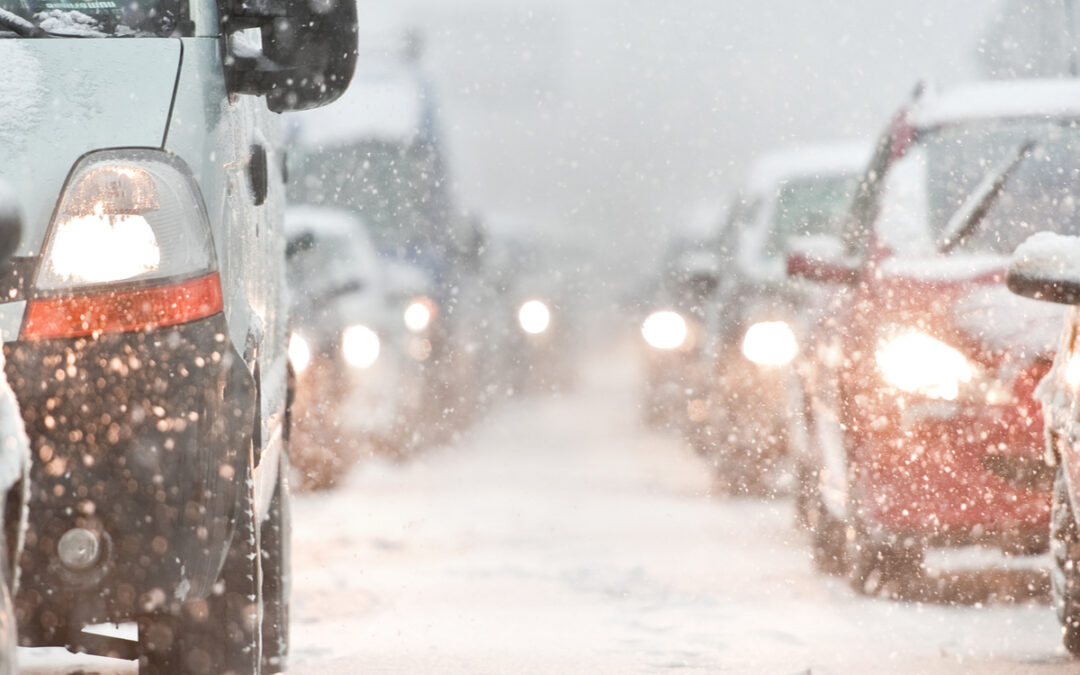
Holiday travel is on the planner! But wintry weather and extensive travel time can lead to safety hazards. Here are seven holiday travel safety tips to know before you hit the road.
- Have your car inspected or serviced before you leave, and keep an emergency kit in it.
Car trouble is a common issue for travelers during the holidays. You don’t want to end up stuck on the side of the road in cold weather instead of tucked in around the table with a piece of Grandma’s homemade pie. Be proactive to avoid hazards like a blown tire. Take your car in for an inspection and any necessary maintenance, particularly on your tires— make sure they’re winter-ready and properly inflated for the long drive. Prepare a car emergency kit with necessities like a safety cone, carjack, flashlight, and jumper cables. Include first aid essentials and extras like a blanket to stay warm if you break down in the cold.
- Know how to drive safely on icy roads.
Study up to ensure you know how to safely navigate icy, wet, or slushy roads. Here are some basic tips to keep in mind:
- Avoid driving until roads have been plowed and sanded.
- Give yourself extra time to get to your destination so you don’t rush in suboptimal conditions.
- Decrease your speed as needed.
- Leave yourself plenty of room behind other vehicles so you can stop safely on slick roads.
- Plan the drive ahead of time, and know alternate routes.
Proper planning ensures that you’re prepared for whatever might happen during your trip. If you’re driving down a highway and hit construction, a road closure, or severe traffic, it can feel impossible to figure out an alternate route on the fly. When you plot your course, note alternate routes in advance. Tools like a vehicle navigation system or an app like Waze can alert you to potential snags and reroute you safely. These can be a huge help when it comes to staying on track, avoiding road closures, or finding your way back to the main road if you get lost. Also, if you want to avoid traffic, time your travel to put you on busy roads before or after peak traffic times.
- Make frequent rest stops.
Winter driving challenges can tire you out much more than driving in the summer. Make frequent stops to rest or just stretch your legs. It’s important to keep your energy level high enough to stay alert on the road. Stopping for even a few minutes every couple hours can do wonders for keeping your energy high.
- Carry a cell phone and charger.
You never know when or where car troubles may rear their ugly head. A mobile phone lets you call for help, get a tow, or arrange alternative transportation if you run into trouble. But it won’t do you any good if the battery dies. Make sure you grab your phone charger before you leave the house. A wall charger is good when you’re making a stop, but a car charger is better when you’re on the road.
- Stay hydrated.
Dehydration may not be on the top of your list of holiday travel safety hazards, but not having enough water during a long drive could mean fatigue or decreased alertness—and that’s dangerous on the road. Keep a few bottles of water handy, and sip often to keep yourself hydrated throughout the trip.
- Give someone close to you a copy of your trip itinerary and photocopies of important documents.
Before you leave, give a copy of your itinerary and all necessary contact information to a relative or friend. This way it will be easy to reach you in case of an emergency, whether you’re on your way out or heading back home. Also, leave photocopies of your passports, credit cards, and any other types of identification with this person in case something happens to the originals and you need a photocopy. It’s also smart to keep a separate set of photocopies in your luggage.
The holidays don’t have to be a dangerous time to travel. Use these holiday travel safety tips to be proactive about travel safety. That way you’ll spend time focused on the fun, not stressed about something going wrong. Your road safety is very important to us. Call us or visit our website to discuss your auto insurance needs. We can provide coverage from many insurance carriers so you receive the insurance for your budget and needs!
Source: https://www.safewise.com/blog/9-holiday-travel-safety-tips-next-getaway/

by Pintler Insurance | Aug 24, 2023 | auto, Ideas
Auto insurance is necessary for anyone who owns and operates a vehicle. It is required by law in most states and provides essential protection for you and others on the road. In this blog, we’ll discuss the importance of auto insurance and how it can protect you and others on the road.
1. Required by Law
In most states, auto insurance is required by law. You could face legal consequences if caught driving without insurance, including fines and license suspension. Understanding your state’s requirements and ensuring adequate coverage to avoid legal issues is important.
2. Protection for Your Vehicle
Auto insurance can provide coverage for your vehicle in case of damage or theft. If you’re in an accident or your car is stolen, your insurance policy can help cover the cost of repairs or replacement.
3. Liability Protection
Auto insurance also provides liability protection, which means that if you’re at fault in an accident, your insurance policy can help cover the cost of any damages or injuries you cause to others. Without liability protection, you could be personally responsible for these costs, which can be financially devastating.
4. Medical Coverage
Many auto insurance policies also provide medical coverage for you and your passengers in case of injury in an accident. This can help cover the cost of medical bills and related expenses.
5. Peace of Mind
Auto insurance can give you peace of mind knowing that you’re protected in an accident or other event. It’s one less thing to worry about while on the road.
In conclusion, auto insurance is important for protecting yourself and others on the road. It’s required by law in most states and provides protection for your vehicle, liability protection, medical coverage, and peace of mind. When selecting an auto insurance policy, make sure to consider your personal needs and budget, and shop around to find the best coverage and rates for your needs.
