by Pintler Insurance | Feb 27, 2026 | Home Insurance, Safety Tips
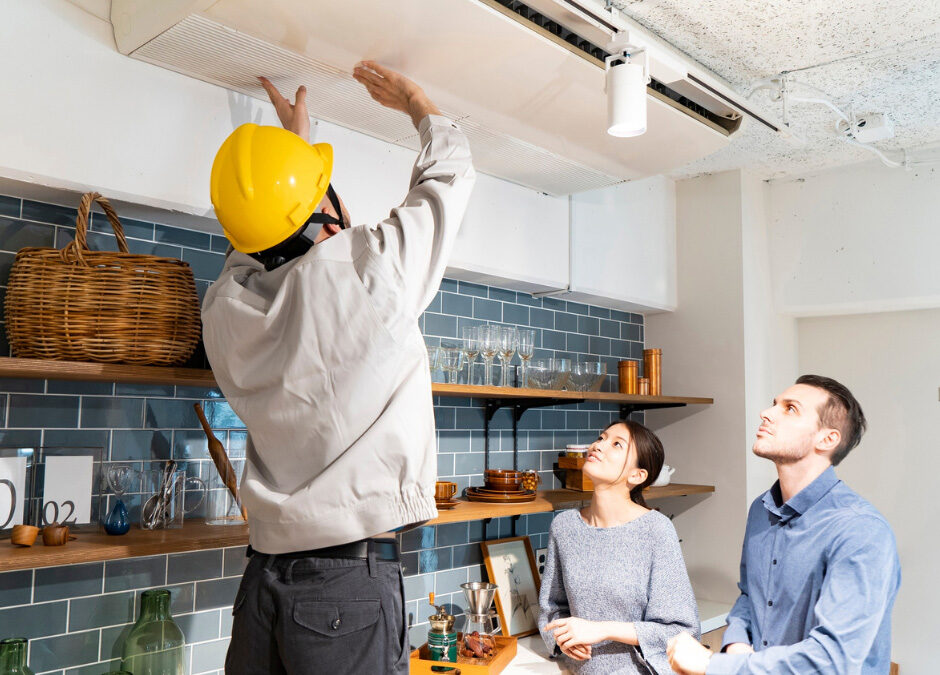
February is a tricky month for homeowners. Winter isn’t over, but temperatures often fluctuate enough to create new risks. A little proactive home maintenance now can help prevent costly insurance claims later.
Start with your gutters and downspouts. Ice buildup can cause blockages that force melting snow into unwanted areas, including under your roofline. Clearing debris reduces the risk of leaks and ice dams. While examining the roof, look for loose shingles or damage caused by earlier storms.
Inside the home, check for drafts around doors and windows. These small leaks not only increase heating bills but also raise the likelihood of frozen pipes. Pipes in unheated areas—such as garages, crawl spaces, and attics—should be insulated, and cabinet doors may need to stay slightly open during cold spells.
Next, test smoke and carbon monoxide detectors. Winter heating systems run constantly, increasing the risk of fire or carbon monoxide exposure. Replace batteries and confirm devices are functioning properly.
Basements also need attention. Moisture from melted snow can seep in through cracks or clogged exterior drains. Inspect sump pumps, foundation walls, and basement windows for early warning signs.
With a few preventive steps, homeowners can reduce the chance of winter-related damage and protect their property through the final stretch of the season.

by Pintler Insurance | Nov 13, 2025 | Safety Tips
The holiday season brings a surge of customers, and a fresh set of safety challenges, for small business owners. From bustling storefronts to festive decorations, the increased activity can lead to accidents if precautions aren’t taken. Whether you’re a seasonal pop-up or a year-round shop, now is the time to reinforce your safety protocols and ensure your team and customers can enjoy the season without incident.
- Keep Walkways Clear
High-traffic areas should be regularly inspected for hazards such as wet floors, cords, and clutter. Implement a routine to promptly address spills and obstructions. During snowy months, use wet floor signs and ensure proper cleaning procedures are followed to prevent slips and falls.
- Decorate Safely
Opt for UL-rated lights and avoid overloading electrical outlets. Keep cords away from doorways and ensure decorations don’t obstruct emergency exits or security systems. Additionally, ensure that your decorations don’t obstruct security systems.
- Train Your Staff
Ensure employees are familiar with basic emergency procedures, including the use of fire extinguishers and first aid kits. Regularly conduct safety drills to reinforce these protocols.
- Review Insurance Policies
Confirm that your business liability, property, and workers’ compensation coverage are current, especially if you’re hosting events or extending hours. Consult with your insurance agent to ensure adequate coverage for holiday-specific risks.
A safe business is a successful business. By proactively addressing potential hazards – from clear walkways to proper training and up-to-date insurance – you not only protect your staff and customers but also safeguard your reputation and bottom line. This holiday season, invest in safety measures that keep the festivities joyful and your operations running smoothly.
by Pintler Insurance | Oct 31, 2025 | Safety Tips, Tips
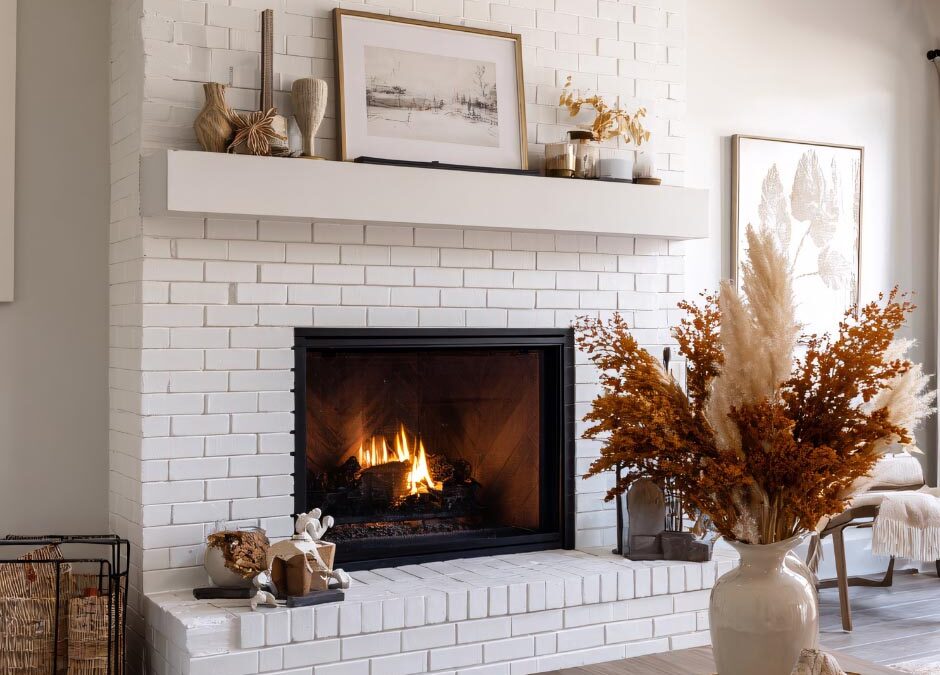
There’s something timeless about gathering around a fireplace: the flicker of flames, the warmth, the coziness. But as more people get ready to light up their fireplaces this season, it’s important to understand how having a fireplace or chimney impacts your home insurance. Neglecting the details could mean trouble when you least expect it. Here’s what homeowners need to know to stay safe—and insured.
How Fireplaces & Chimneys Affect Your Insurance
Risk & Premiums
- Type of Fireplace Matters
The kind of fireplace you have—wood-burning, gas, or electric—can make a big difference. Wood-burning fireplaces generally carry more risk because of embers, creosote buildup, and increased chance of chimney fires. That often translates into higher insurance premiums. Gas or electrical models are generally seen as lower risk.
- Maintenance History Counts
Insurance companies tend to look more favorably on homes where fireplaces and chimneys are regularly maintained: clean chimneys, intact chimney liners, safe hearths, and proper installation. If your chimney is neglected—cracks in masonry, flue liners in poor condition, buildup of soot or creosote—insurers may see the risk as too high or may deny claims related to deterioration.
- Inspection & Documentation
Having proof of inspection and cleaning helps. If a fire starts in your chimney or smoke damage occurs, your insurer may request documentation of regular maintenance, chimney sweeps, or that repairs are done in a timely manner. That can be the difference between a denied claim and one that’s covered.
What’s Usually Covered — & What’s Not
Insurance policies vary, but some patterns are common. Understanding these can help you avoid surprises.
| Situation |
Typical Insurance Position |
| Sudden, unexpected damage (say, a chimney fire, storm damage, lightning strike) |
Often covered—if you’ve maintained the fireplace and chimney reasonably well. |
| Smoke or fire damage spreading into home |
If caused by a covered peril (e.g. accidental fire), you are likely covered for damage to other parts of the home. |
| Water damage from flashing, leaks due to storm impact |
Often covered, especially if it happened suddenly and because of external damage. But if the leak is due to long-term neglect or failure to maintain seals/flashing, it may not be. |
| Wear & tear, deterioration, neglect |
Generally, not covered. Expect insurers to deny claims where damage could reasonably have been prevented through upkeep. |
Key Features & Add-Ons to Look For
When reviewing homeowner insurance policies (or shopping for one), make sure these areas are clear or negotiable:
- Chimney Liner Condition & Material
The liner protects the masonry and directs combustion products safely out of the home. If the liner is damaged or missing, that can lead to smoke or fire damage inside the chimney walls or even the house. Some insurers require specific materials, or proof that flue liners meet safety codes.
- Fireplace Screen, Chimney Cap, Crown, Flashing
These small components do a lot to prevent sparks, keep rain/water out, stop animals from nesting, and protect against structural damage. Proper caps and crowns reduce water infiltration. Flashing (seal between chimney and roof) is critical. If these fail, water and weather damage can escalate.
- Chimney & Fire Inspection/Sweeping
Regular cleaning to remove creosote and inspection to catch cracks or deterioration is often seen as essential. Some insurers may require annual or semi-annual inspections for wood-burning setups. Keeping records helps.
- Type of Fuel Used
Burning clean, dry, properly seasoned wood, or using gas or electric reduces risk. Also, what you burn matters—paper, treated wood, or foreign materials (garbage, cardboard, etc.) can produce soot, creosote, and an increased risk of chimney flare-ups.
- Smoke Detectors, Carbon Monoxide (CO) Detectors & Other Safety Devices
Having smoke alarms, CO detectors, fire extinguishers nearby, and following safe burning practices (never leave fire unattended, don’t overload fireplace, use proper tools/screens) all matter. They both reduce risk and help with insurance claims.
- Policy Limits, Deductibles & Endorsements
Make sure your policy limits are sufficient to cover the cost of potential chimney/fireplace-related damage. Check deductibles. Ask if there are optional endorsements or riders specific to fireplace or chimney damage, or if there are exclusions.
Practical Steps Before You Light That First Wood Fire
- Schedule a chimney sweep & inspection now, before heavy usage. Clean out soot, check flue, check liner, fix any cracks or loose bricks.
- Replace or repair chimney caps and flashing where needed. Seal where required.
- Clear the hearth of combustible materials; use a screen to prevent embers from popping out.
- Make sure you have working smoke detectors & CO alarms near but not too close to the fireplace.
- Keep a log or receipts of maintenance: sweeps, repairs, inspections. Store safely—if you ever need to file a claim, you’ll want evidence.
Why It Matters
A chimney fire or damage doesn’t just cause property loss—it can put safety at risk, create smoke damage throughout the home, cause costly structural problems, and in some cases lead to temporary uninhabitability. Insurance is there to help, but only when the damage is covered under your policy and you’ve done your part to maintain reasonable safety.
Before the firewood comes in and the nights get chilly, take a few moments to make sure your fireplace, chimney, and insurance are aligned. Want a review of your homeowner policy? Contact us for a no-obligation check to make sure you’re protected when you crank up the heat.

by Pintler Insurance | Sep 24, 2025 | Ideas, Safety Tips, Tips
Before kickoff, give your insurance a pre-game check.
It’s that time of year again — crisp fall air, rivalries heating up, and the smell of burgers on the grill in stadium parking lots and backyards everywhere. Tailgating and football parties are some of the best traditions of the season. But while you’re planning the snacks and setting up that big-screen TV, it’s worth asking: is your insurance ready for game day, too?
Auto Insurance & Tailgating
Many tailgates happen in stadium parking lots. If your vehicle is damaged — whether it’s a door ding from another fan or a fender bender leaving the lot — your auto policy can help. Comprehensive coverage also comes into play if your grill or cooler scratches the paint, or worse, if an accident happens while hauling your gear. Pro tip: Double-check your liability limits before the season starts — it’s a simple pre-game warm-up that can save you headaches later.
Homeowners Insurance & Backyard Parties
Not heading to the stadium? Backyard football parties are just as popular. If a guest trips over an extension cord or slips on a wet deck, you could be held liable. That’s where your homeowners (or renters) insurance liability coverage comes in. And yes — if you’ve invested in that giant outdoor TV or sound system, make sure it’s covered under your personal property limits.
Umbrella Coverage = Extra Protection
For true peace of mind, umbrella insurance adds an extra layer of protection above your auto or home policies. If a serious accident happens at your tailgate or party, and the costs go beyond your standard liability limits, an umbrella policy helps cover the difference. Think of it as your insurance defensive line.
Quick Tailgate Safety Tips
– Keep walkways clear of cords, coolers, and chairs.
– Grill safely — never leave it unattended.
– Have a designated driver plan before kickoff.
– Know your coverage before the party starts.
Game Plan Recap
Football season is about fun, food, and friends — not fumbles with your insurance. A quick review of your auto, homeowners, and umbrella policies ensures you’re covered, no matter what game day brings.
Before kickoff, give your insurance a pre-game check and enjoy the season with confidence.
by Pintler Insurance | Aug 13, 2025 | Ideas, Safety Tips, Tips
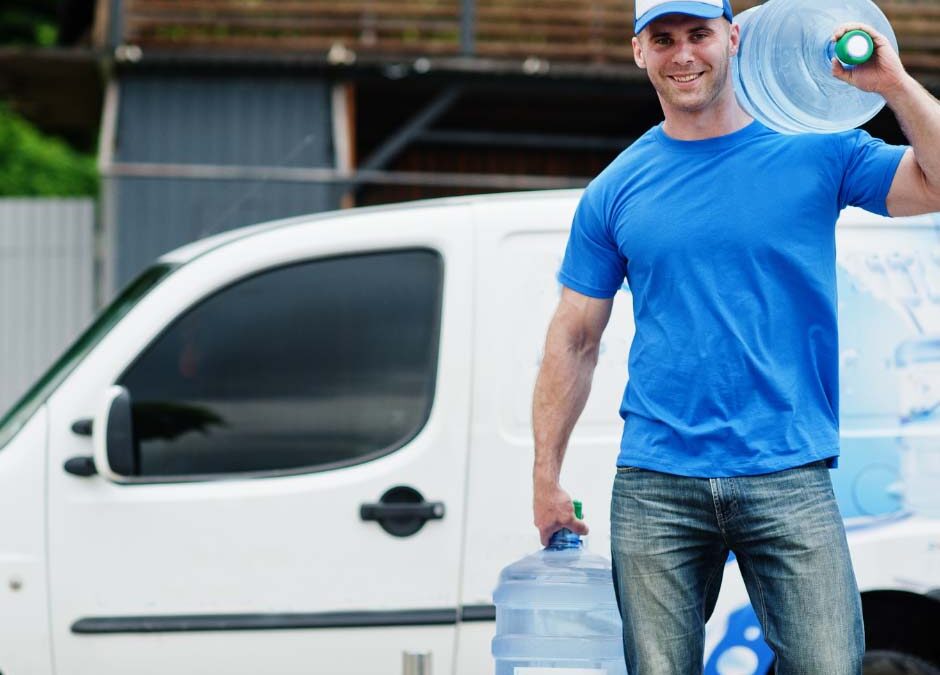
Vehicles often form the backbone of many businesses—whether for delivering supplies, transporting equipment, or servicing clients. Given the uncertainties of weather, economic pressures, and operational risks, having the right commercial auto insurance isn’t just wise—it’s essential for protecting your business, your team, and your financial foundation.
Legal Requirements & Core Coverage
Most jurisdictions mandate minimum liability coverage for commercial vehicles to cover medical and property damage costs in the event of an accident. While these requirements offer basic protection, businesses—especially those operating heavier or federally regulated vehicles—may find it wise to opt for higher coverage limits.
Protection Beyond Liability
Beyond meeting legal standards, comprehensive protection often includes:
- Physical damage coverage (collision & comprehensive): Shields your vehicles from accidents, theft, vandalism, and weather-related damages.
- Supplemental enhancements: Add-ons such as uninsured/underinsured motorist coverage, medical payment coverage for drivers and passengers, rental reimbursement, towing and labor coverage, and protection for hired or non-owned vehicles.
Premium Cost Drivers
Key factors that impact insurance costs include:
- Driver risk profile: Safety records, training programs, and internal risk-management processes.
- Business operations: Routes, mileage, cargo type and value, and past claims history.
- Local conditions: Climate, road patterns, and regional accident exposure.
Estimated Costs
Here’s a general ballpark for annual commercial auto insurance (per vehicle):
- Small operations: Approximately $800–$1,500
- Larger fleets: Around $10,000–$20,000
Smart Cost Management Strategies
- Bundle policies: Combining your auto, property, and general liability insurance often unlocks discounts.
- Increase deductibles: A higher deductible can reduce premiums if your business can manage a larger out-of-pocket expense.
- Leverage technology: Telematics, GPS tracking, and driver monitoring systems can reduce risk and lower premiums.
- Explore group or association plans: Pooled or grouped insurance options may offer improved rates for small businesses.
Commercial auto insurance is more than a regulatory check–it’s a key strategic tool. Tailoring the right coverage not only ensures legal compliance but also protects your vehicles, liability exposure, and bottom line. By investing time in choosing the right policy, exploring savings opportunities, and embracing proactive fleet protections, your insurance becomes a strategic asset rather than just an expense. Secure the right plan today and drive your business forward with confidence.

by Pintler Insurance | Jul 15, 2025 | Ideas, Safety Tips, Tips
Buying a home—whether it’s your first starter, a forever nest, or a vacation escape—is thrilling and sometimes stressful. Along with choosing price, neighborhood, layout, and that dreamy front porch view, there’s a critical but often overlooked factor: homeowners insurance.
Working with an independent insurance agency can help ensure you’re fully protected—not just meeting lender requirements but actually covering real risks. Before you say “yes” to a home, here’s a clear, step-by-step checklist to guide your decision from an insurance lens.
- Location Matters—Big Time
While proximity to schools, work, and family is key, your home’s insurance risk is highly tied to where it sits. Be sure to consider:
- Flood risk: Standard policies usually don’t cover floods. If you’re eyeing a property near rivers, lakes, or coastlines, you may need separate flood insurance.
- Fire safety access: Homes far from fire hydrants or a fire department (especially in rural or wooded areas) typically come with higher insurance rates.
- The House’s Age & Condition
Older homes charm us, but they often carry insurance challenges:
- Roof age – Roofs under 10 years old typically qualify for better coverage and lower premiums. A well-kept, newer roof is a big plus.
- Plumbing & electrical – Galvanized pipes and outdated wiring (like knob-and-tube or old panels) are red flags that can make insurance expensive or impossible without upgrades.
What to Do:
- Have sellers disclose roof replacements or provide documentation.
- Use a home inspection to assess wear and system integrity.
- Consider preemptive updates before moving in.
- Past Insurance Claims History
Every home has a history of claims that can affect your coverage options and costs. Here’s why that matters:
- Multiple damage claims (like water or wind damage) can signal ongoing or hidden problems.
- A history of frequent claims may lead to higher premiums—or difficulty finding coverage at all.
Tip: Pull the home’s CLUE (Comprehensive Loss Underwriting Exchange) report to review claims over the past 5–7 years.
- Security Features & Discounts
Adding security isn’t just smart, it can save you money. Many insurers offer discounts for features like:
- Monitored burglar or alarm systems
- Deadbolts or smart locks
- Smoke alarms and fire detection
- Storm shutters, impact-resistant windows, or fire sprinklers
Ask your agent which upgrades make sense and how much they could reduce your premium.
- Landscaping & External Risks
Trees, plants, and yard features enhance curb appeal, but can create insurance vulnerabilities:
- Overhanging branches can fall during storms, threatening roofs or windows
- Root systems may damage foundations or underground lines
- Dense vegetation near the home could elevate fire risk
Action item: Have an arborist inspect large trees and trim or remove any that pose a threat.
- Construction Materials & Disaster Resistance
The materials and building of a home significantly affect its insurability:
- Brick or masonry is generally more fire-resistant and potentially cheaper to insure
- Wood-framed homes may carry higher insurance rates due to fire vulnerability
- Manufactured/mobile homes often require specialty insurance
- In areas prone to tornadoes, hurricanes, or earthquakes, features like reinforced structures, storm shutters, and safe rooms can make a big difference in both safety and premiums
- Get Insurance Quotes Early
Don’t wait until closing to check insurance rates. Here’s why early quotes are smart:
- They give you a clear picture of your total housing budget
- You may uncover coverage gaps (like flood or wind insurance needs) before committing
- You can explore savings through discounts from security systems, renovations, or bundled policies
Bottom Line
When buying a home, insurance isn’t just paperwork, it’s crucial protection for your investment and family’s future. By evaluating location, home age and condition, claims history, security features, landscaping risks, and construction type—and getting quotes early—you’ll be much better equipped to make a confident, informed decision.
Next Step:
Reach out to your independent insurance agent to:
- Explore standard homeowners coverage and any required add-ons (flood, wind, etc.)
- Review home-specific risk factors and possible discounts
- Get comparative quotes before finalizing your purchase
Protect what matters—your home, your loved ones, and your security.